
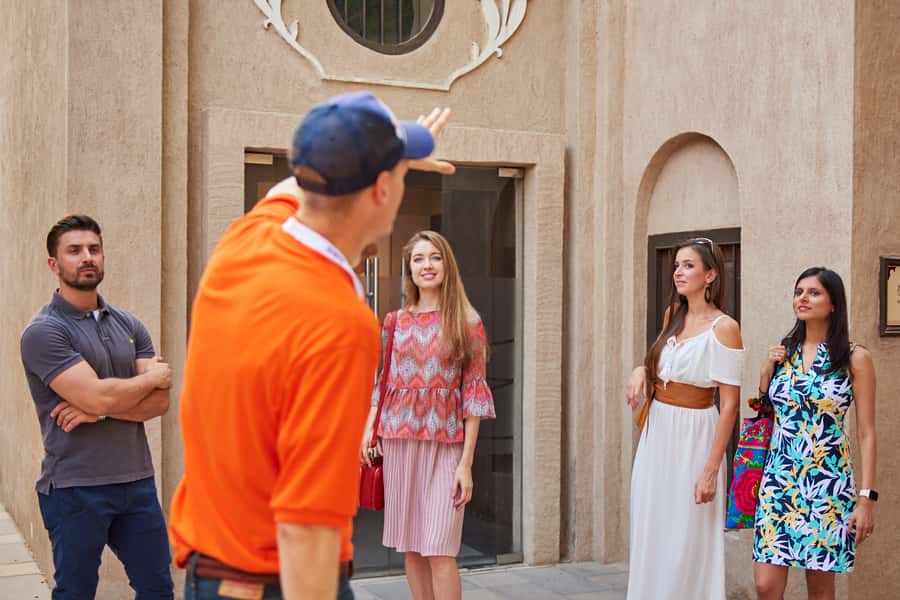
Reviewed · OLD DUBAI AND THE SOUKS
Historic Forts, Boats and Pearls of Old Dubai Walking Tour
Old Dubai tells the city’s first chapter. This two-hour walk takes you from the old houses of Al Bastakiya to Al Fahidi Fort, then through the perfume, textile, spice, and gold souks before a traditional abra ride across Dubai Creek. I especially like the small-group feel and lively guide commentary, along with the coffee, dates, chocolate, and dried-fruit tastings. The main drawback is the brisk two-hour schedule: you see a lot, but you will not have much time for slow shopping or extended museum visits.
I also like that the tour gives you a useful introduction to Dubai beyond its towers and shopping malls. Guides such as Dana, Pri, and Sameh have been praised for warmth, humor, cultural insight, and practical advice. Still, the walking route is not suitable for wheelchair users, and hotel pickup is not included, so you need to reach the Arabian Tea House meeting point yourself.
In This Review
- Key points at a glance
- Starting outside the Arabian Tea House
- Al Bastakiya and the shape of early Dubai
- Al Fahidi Fort and the museum stop
- Coffee, dates, and the taste of local hospitality
- Textile Souk: fabrics, bargaining, and useful guidance
- Spice Souk: scents, samples, and market manners
- Gold Souk and the old trading network
- Crossing Dubai Creek by abra
- What the guides add to the route
- Is $54 good value for two hours?
- Who should book this Old Dubai walk?
- My verdict on the Historic Forts, Boats and Pearls tour
- FAQ
- How long does the Historic Forts, Boats and Pearls of Old Dubai Walking Tour last?
- What language is the tour conducted in?
- Where does the tour meet?
- Is the abra ride included?
- Which souks are included?
- Are museum tickets included?
- What food and drink tastings are provided?
- Is hotel pickup included?
- Is the tour suitable for wheelchair users?
- Can I cancel the booking?
Key points at a glance
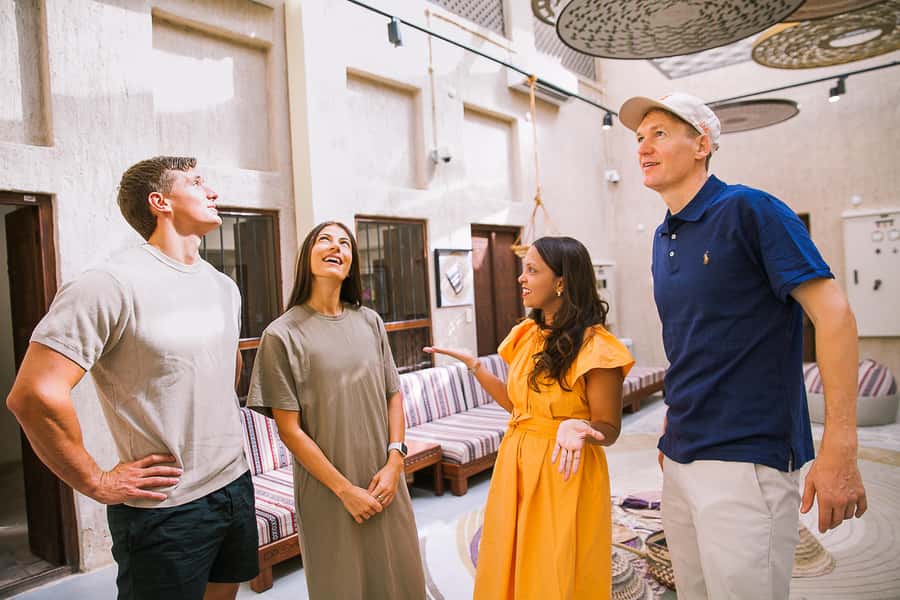
- Al Bastakiya sets the scene: Walk among Dubai’s old heritage houses and learn how the city looked before its modern boom.
- The abra ride adds real local flavor: Cross Dubai Creek in a traditional wooden boat rather than viewing the water from a road bridge.
- Three major souks are included: See the textile, spice, and gold markets, with perfume stops and time for market tips.
- Food tastings make the history tangible: Try Arabic coffee and dates, plus chocolates and dried fruits at the Spice Souk.
- Guides shape the experience: Dana, Pri, and Pri have been singled out for warmth, patience, humor, and clear storytelling.
- The price buys context, not just sightseeing: At $54 per person, the tour is best value for a first look at Old Dubai and its culture.
Starting outside the Arabian Tea House
The meeting point is outside Arabian Tea House on Al Fahidi Street in Bastakiya, opposite the Musalla Post Office. This is a sensible place to begin because you are already in the historic quarter, rather than wasting part of your two hours on a transfer from a modern hotel district.
You should arrive ready to walk. Comfortable shoes matter more than stylish ones, and loose, comfortable clothing will make the warm streets and market lanes easier to handle. The tour lasts two hours, so the pace needs to keep moving.
Hotel pickup and drop-off are not included. That is not unusual for a walking tour, but it affects the total cost and planning. You will need to arrange your own way to Bastakiya and back to your next stop.
The tour is conducted in English with a live guide. Guide quality is a major part of the value here. Dana has been praised for handling a late-starting group with patience while keeping the mood upbeat. Pri was remembered for being pleasant and patient, and Sameh was praised for a strong presentation. Those details matter because Old Dubai rewards explanation. Without context, the lanes can look like a pleasant collection of restored buildings and shops. With a good guide, they become part of a story about trade, family life, food, religion, and social customs.
More creek and souk walks in Dubai:
- Dubai: Old Town, Creek, Museums, Souks, & Street Food Tour
★ 4.8 · 10,816 reviews - Dubai: Old Town, Souks, Street Food, Guided Tour & Abra Ride
★ 4.9 · 7,170 reviews - Dubai: Frame Tickets, Creek, Souks & Blue Mosque Guided Tour
★ 4.8 · 5,980 reviews
Al Bastakiya and the shape of early Dubai
Al Bastakiya, also called the Al Fahidi Historical Neighborhood, provides the tour’s best sense of place. You walk through a district of older heritage houses, narrow lanes, and traditional architectural details. It is a sharp contrast with Dubai’s glass towers and wide highways.
The guide uses this section to explain how people lived before Dubai became a global business and tourism center. You hear about local customs, family life, Arabic culture, and the city’s growth from a desert trading settlement into a modern metropolis.
One useful feature is the chance to ask questions as you walk. The guide does not simply point at buildings and recite dates. The strongest feedback describes a conversational style, with anecdotes and answers about politics, demographics, food, etiquette, and regional history. That makes this portion useful for anyone who wants a basic framework for understanding the UAE.
You should not expect every heritage house to be explored in detail. Two hours must cover several neighborhoods, markets, museums, and the boat ride. The value lies in seeing the area with a clear explanation, then returning later if a particular building catches your interest.
Al Fahidi Fort and the museum stop
Al Fahidi Fort gives the walk a strong historical anchor. The fort is tied to Dubai’s earlier period, before the city’s modern expansion, and the museum visit helps place the surrounding neighborhood in context.
Museum tickets are included, which is important when comparing this tour with a self-guided walk. You do not need to decide on extra admission during the route, and the guide can connect what you see indoors with the streets outside.
The museum portion is likely to feel brief because the full route also includes four market areas and a Creek crossing. If you enjoy spending a long time reading displays, you may want to return independently. If you prefer a guided introduction, the stop works well as part of the larger route.
This is where the tour’s focus becomes clear. It is not built around one grand monument. Instead, it links a fort, homes, museums, food traditions, trading streets, and the Creek. That combination gives you a more useful first picture of old Dubai than a single museum visit would.
Coffee, dates, and the taste of local hospitality
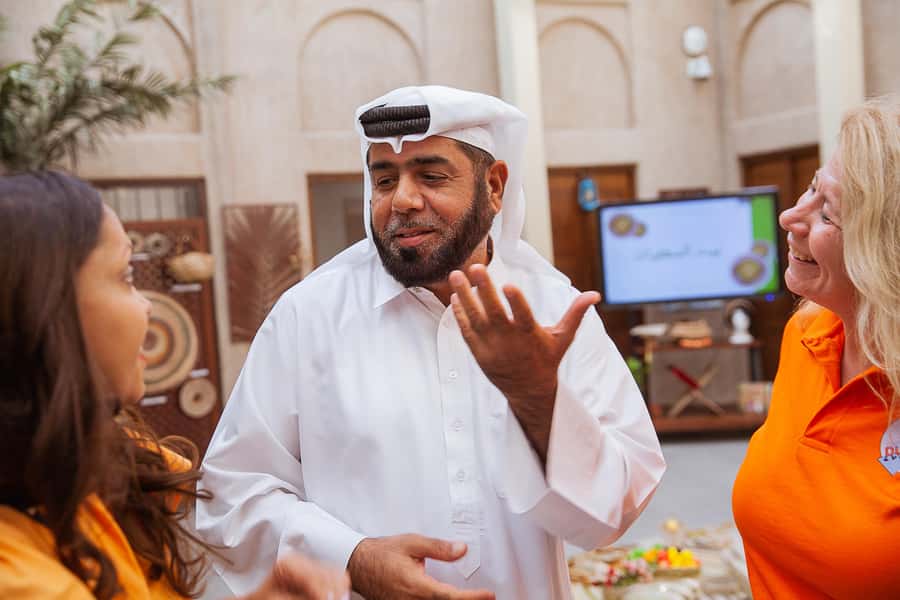
The coffee and dates tasting is a small part of the tour, but it gives the cultural discussion a practical edge. Arabic coffee and dates are closely connected with hospitality, so the tasting helps you understand a custom rather than simply hearing about it.
At the Spice Souk, you also receive tastings of chocolates and dried fruits. These are modest extras, but they break up the walking and help you notice the role of food in the market experience.
Do not book this expecting a full meal. The information promises tastings, not lunch. If you need more food, plan another stop before or after the tour.
I like these additions because they encourage you to use more than your eyes. Old Dubai is a place of scents, flavors, bright colors, and conversation. A guide can explain that, but a date, cup of coffee, or piece of dried fruit makes the point faster.
A few more Dubai trips worth comparing
- Dubai Evening Heritage Safari by Vintage G Class Al Marmoom Oasis
★ 5.0 · 1,500 reviews - Dubai Camel Desert Safari, Traditional Meal & Heritage Activities
★ 5.0 · 937 reviews - Dubai: Heritage Safari in Vintage Land Rover with Dinner
★ 4.8 · 861 reviews - Dubai: Historic City Highlights Day Trip
★ 4.4 · 807 reviews
Textile Souk: fabrics, bargaining, and useful guidance
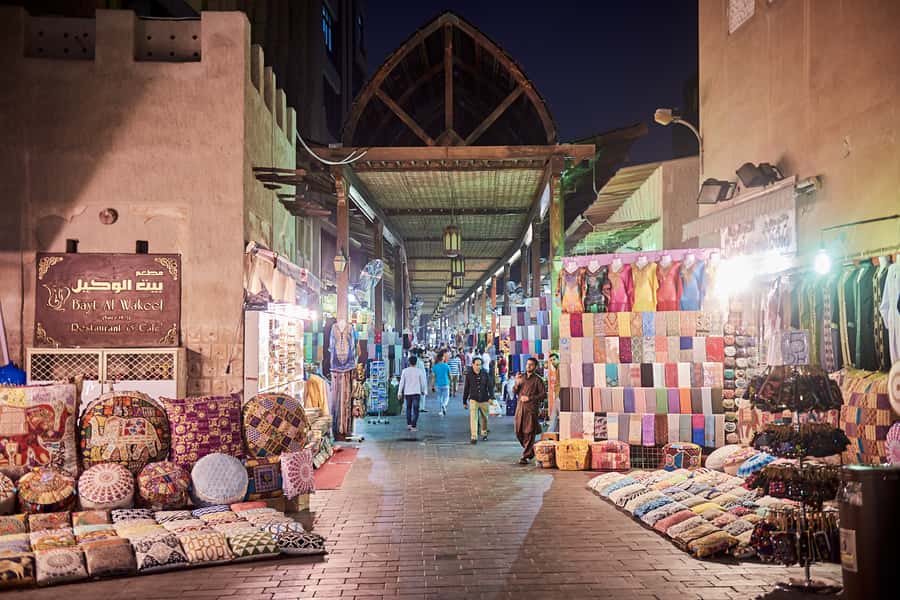
The Textile Souk brings you into the trading side of the tour. You see fabrics and clothing materials, and the guide offers advice as you move through the market.
This is a good place to listen before buying. A guide can help explain local etiquette and give you a sense of how to approach sellers. The walk is not presented as a forced shopping trip, so you can focus on observing if you are not looking for souvenirs.
You should keep the schedule in mind. The tour includes the textile market along with the spice and gold souks, so this is an introduction rather than an afternoon of browsing every shop.
The market also helps connect Dubai’s past with its present. The city grew through trade, and these souks make that history visible. You are not only looking at merchandise. You are walking through the kind of commercial setting that helped make the Creek area important.
Spice Souk: scents, samples, and market manners
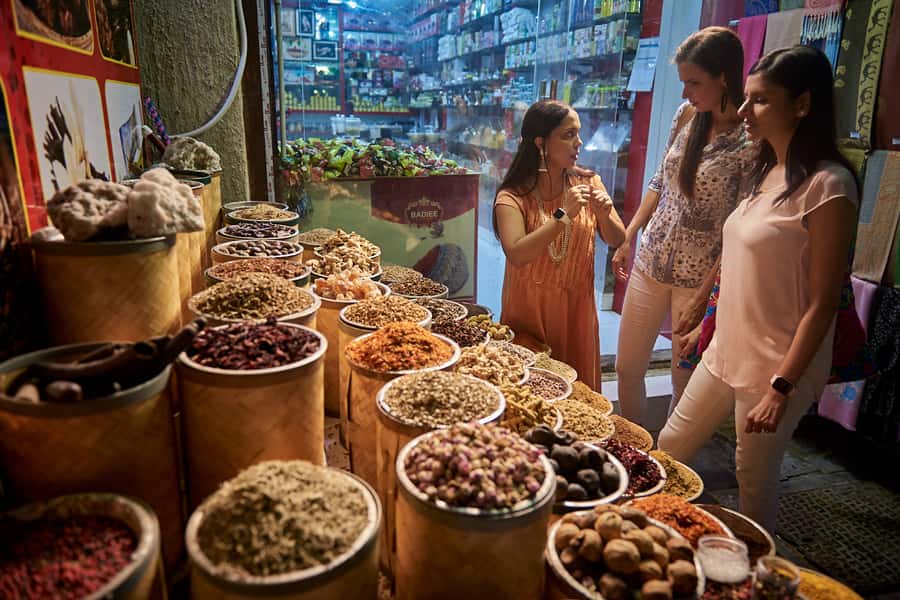
The Spice Souk is likely to be the most sensory part of the walk. The tour includes tastings of chocolates and dried fruits here, while the guide explains the goods, local customs, and the way the market works.
The guide’s presence is especially useful in a souk. You may find sellers calling out prices or inviting you to look more closely at products. That can be fun, but it can also feel tiring if you do not know how to respond. The tour provides a chance to observe the exchange with someone who can offer tips and keep the experience comfortable.
The spice stop is also a place to ask about food traditions. The tour promises insight into Dubai’s food and culture, not just a quick pass through the stalls. Still, the exact selection of products and tastings can vary, so you should treat the samples as a pleasant extra rather than the main reason to book.
If you want to shop, bring patience and remember that the tour clock continues. You may prefer to note the stores and return after the walk, when you can compare products without holding up the group.
Gold Souk and the old trading network
The Gold Souk completes the tour’s market sequence. Its displays show the scale and confidence of Dubai’s jewelry trade, while the guide explains how commerce shaped the city.
This stop is more about seeing and understanding than buying. You can look at the jewelry, learn how the market fits into Old Dubai, and ask questions about trade and custom. The gold market also adds a different mood from the textile and spice streets, making the route feel varied within a short period.
The tour’s broader discussion of pearl trade is especially useful here. Dubai’s earlier economy was not built on skyscrapers or oil wealth alone. Pearl trading and maritime commerce played an important role in the city’s past, and the guide uses that background to explain the people and business networks that came before modern Dubai.
Because the route covers several souks, you should not expect a detailed shopping lesson at each one. The benefit is the connection between them. Textiles, spices, gold, pearls, and the Creek all point to a port city shaped by movement and trade.
Crossing Dubai Creek by abra
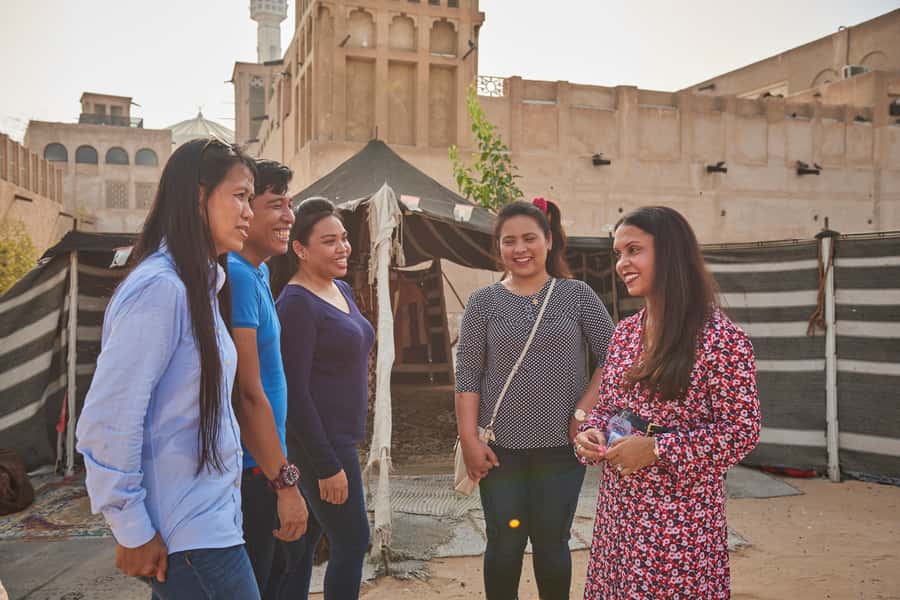
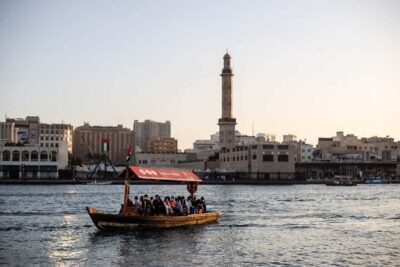
The abra ride is the tour’s most memorable change of pace. After walking through the lanes and markets, you board a traditional wooden boat and cross Dubai Creek.
The ride is short, but it gives you a different view of Old Dubai. From the water, the Creek becomes more than a scenic strip. It explains why this area developed as a trading center and why boats remain such a useful part of the city’s identity.
You also get a break from walking. That matters on a warm day, although you should not assume the ride makes the whole tour easy. Most of the two hours are spent on foot, and the route includes market streets and historic areas.
The abra is a local form of transport, not a private cruise. That is part of its appeal. You are using a practical traditional boat rather than taking a polished sightseeing ride built only for visitors. The crossing helps the tour feel connected to daily Dubai instead of separated from it.
What the guides add to the route
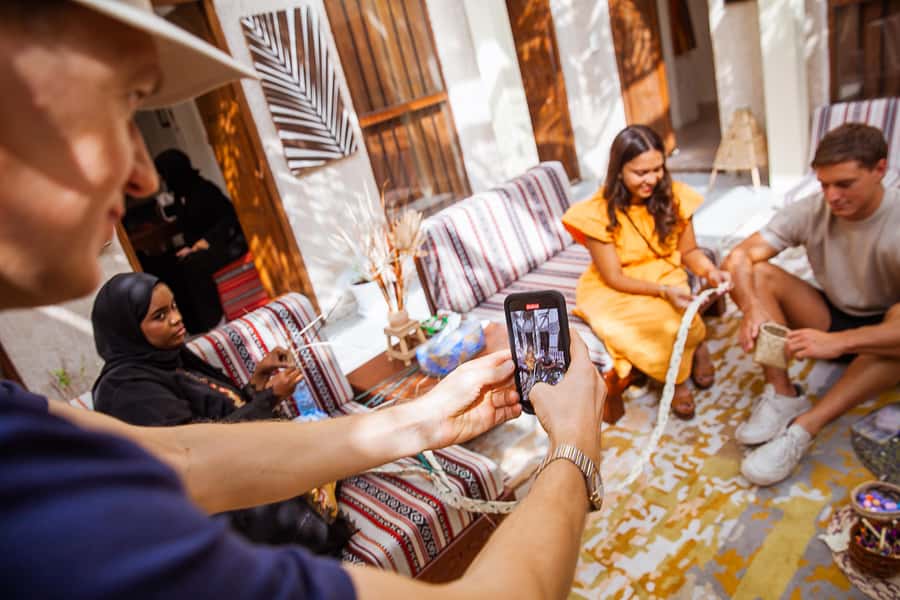
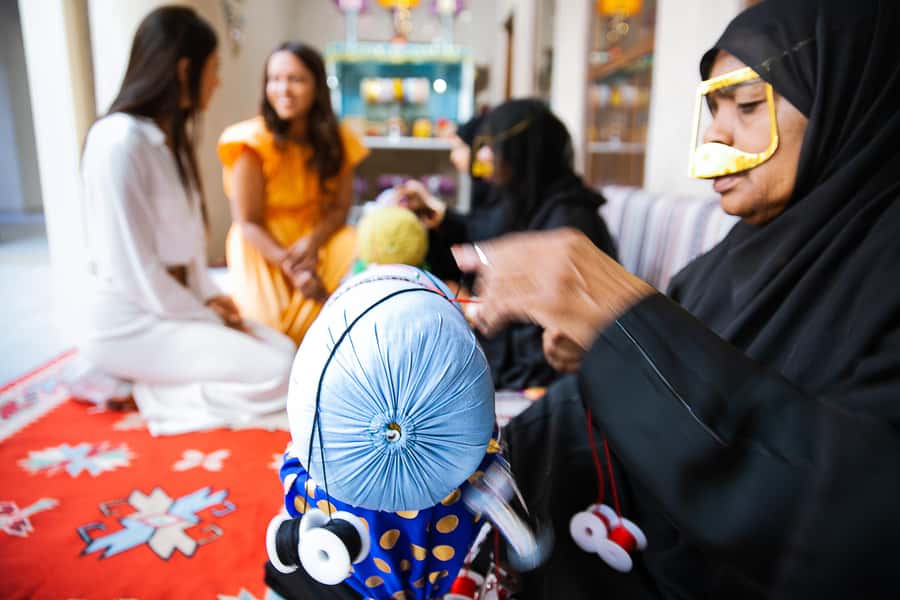
This tour depends heavily on the person leading it. The most praised qualities are patience, warmth, humor, organization, and a clear love of Arabic culture and Dubai’s past.
Dana has been noted for creating a friendly atmosphere even when the group was delayed at the start. Her ability to keep several details in order while explaining the markets and history is a real advantage on a packed route.
Pri has been praised for patience and a pleasant manner. Other guide feedback highlights conversational storytelling, practical tips, and an ability to explain local customs without making the talk feel stiff.
A strong guide also helps you go beyond the standard postcard version of Dubai. You hear about pearl trade, food, etiquette, regional connections, and the changes that turned a small trading town into a major city. That is the difference between simply walking through Old Dubai and actually understanding what you are seeing.
The trade-off is that guide style can vary from person to person. The company advertises certified English-speaking premium guides with extensive experience, but no walking tour can guarantee an identical personality or pace every day.
Is $54 good value for two hours?
At $54 per person, this is not the cheapest way to see Old Dubai. You could walk through parts of Bastakiya and the souks on your own for little money, then pay separately for an abra crossing.
The tour earns its price through the guide, included museum admission, tastings, and the way it links the stops together. You are paying for a clear route and cultural explanation, not just transport or entry tickets.
For a first visit, I think the price can be justified if you want an efficient introduction. In two hours, you cover Al Bastakiya, Al Fahidi Fort, museum spaces, the textile, spice, and gold souks, a coffee and dates tasting, additional food samples, and an abra ride.
The value drops if you mainly want to shop. You may feel rushed in the markets, especially if you like comparing prices or speaking with sellers. In that case, use the tour to learn the area, then return independently with more time.
It is also good value for anyone who wants help with cultural etiquette. The guide’s advice can make the souks less confusing and help you understand what you are seeing instead of treating the markets as a quick photo stop.
Who should book this Old Dubai walk?
I would recommend it to first-time visitors who want to understand the older side of Dubai before spending time in the modern districts. It suits couples, solo visitors, and small groups who enjoy walking, stories, markets, and local transport.
It is also a smart choice if you have only a short stay. The route gives you a fast orientation to the Creek area and may help you decide where to return for food, shopping, or further sightseeing.
Families with older children may enjoy the mix of forts, boats, markets, and tastings. The abra crossing adds a simple adventure, while the souks provide plenty to look at.
I would hesitate if you have mobility limitations, since the tour is not suitable for wheelchair users. I would also choose another plan if you want a slow, detailed museum visit or several hours dedicated to shopping.
For the best experience, wear comfortable shoes, dress comfortably, arrive at the Arabian Tea House meeting point on time, and keep your schedule open enough that you are not rushing away at the end.
My verdict on the Historic Forts, Boats and Pearls tour
This is a strong introduction to Dubai’s original center. Its best feature is the range of experiences packed into two hours: heritage homes, a fort, museums, coffee, dates, market tastings, three major souks, and a traditional boat across the Creek.
I like the tour most for its human touch. The guides bring patience, humor, local knowledge, and practical advice, while the abra ride and tastings keep the route from feeling like a lecture.
Book it if you want a clear, guided first look at Old Dubai and value cultural context more than free time. Skip it if you already know the district well, dislike group pacing, or want an unhurried shopping day. For most first-time visitors, $54 is a fair price for a well-organized introduction to the city before the towers take over your view.
FAQ
How long does the Historic Forts, Boats and Pearls of Old Dubai Walking Tour last?
The tour lasts two hours.
What language is the tour conducted in?
The live tour is conducted in English.
Where does the tour meet?
Meet your guide outside Arabian Tea House on Al Fahidi Street in Bastakiya, opposite the Musalla Post Office in Bur Dubai.
Is the abra ride included?
Yes. The tour includes a traditional wooden abra ride across Dubai Creek.
Which souks are included?
The route includes the textile, spice, and gold souks. It also passes through perfume-market areas.
Are museum tickets included?
Yes. Museum tickets are included in the tour.
What food and drink tastings are provided?
The tour includes coffee and dates, plus tastings of chocolates and dried fruits at the Spice Souk.
Is hotel pickup included?
No. Hotel pickup and drop-off are not included, so you need to make your own way to the meeting point.
Is the tour suitable for wheelchair users?
No. The tour is not suitable for wheelchair users.
Can I cancel the booking?
You can cancel up to 24 hours in advance for a full refund. You can also reserve now and pay later.
More Walking Tours in Dubai
- Dubai: Private Old Town, Heritage & Souks Walking Tour
★ 4.9 · 102 reviews - Dubai: Old City Walking Tour with Abra Ride
★ 5.0 · 101 reviews - Dubai: Old Town Walking Tour with Abra Cruise & Street Food
★ 4.9 · 71 reviews - Dubai: Walking, Architecture and History Tour of Dubai Opera
★ 4.9 · 40 reviews
Just added around Dubai
- Abu Dhabi and Ferrari World Tour★ 3.5 · 9 reviews
- Premium Desert safari With Dune buggy camel ride BBQ dinner★ 5.0 · 36 reviews
- Night City Tour of Dubai★ 4.5 · 14 reviews
- FLYBOARD 30mn session @ POPEYE JETSKI★ 5.0 · 80 reviews
- Full Day Hatta Mountain Tour from Dubai★ 5.0 · 23 reviews
- Sky Views Dubai with Options★ 4.5 · 17 reviews
- Explore Dubai a Full Day Tour★ 5.0 · 19 reviews
- Dunes Safari Sandboarding and Photography in Desert★ 5.0 · 47 reviews
Old Dubai and the Souks, compared.
Old Town, Creek, Museums, Souks, & Street Food Tour
Read our review →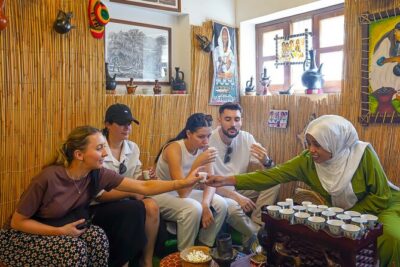
Old Town, Souks, Street Food, Guided Tour & Abra Ride
Read our review →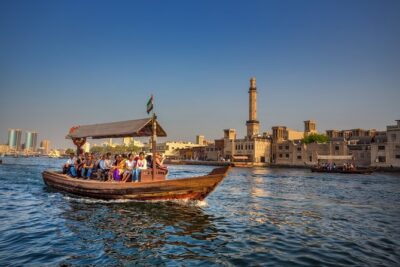
Frame Tickets, Creek, Souks & Blue Mosque Guided Tour
Read our review →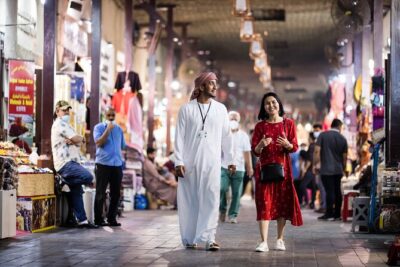
Dubai Aladdin Tour: Souks, Creek, Old Dubai and Tastings
Read our review →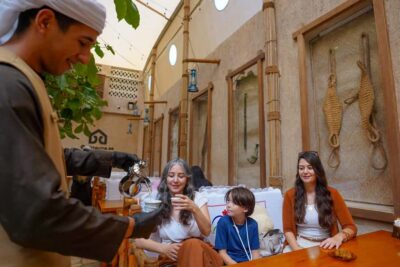
Half-Day City Tour with Blue Mosque, Creek, and Souks
Read our review →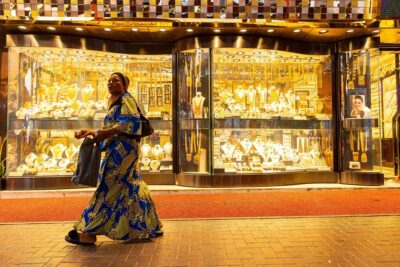
Dubai Half-Day City Tour with Visit to Dubai Gold Souk
Read our review →Old Town, Souks, Street Food, Guided Tour & Abra Ride
Read our review →
Old Town, Street Food, Creek, Souks, & Emirati House
Read our review →Also listed under