
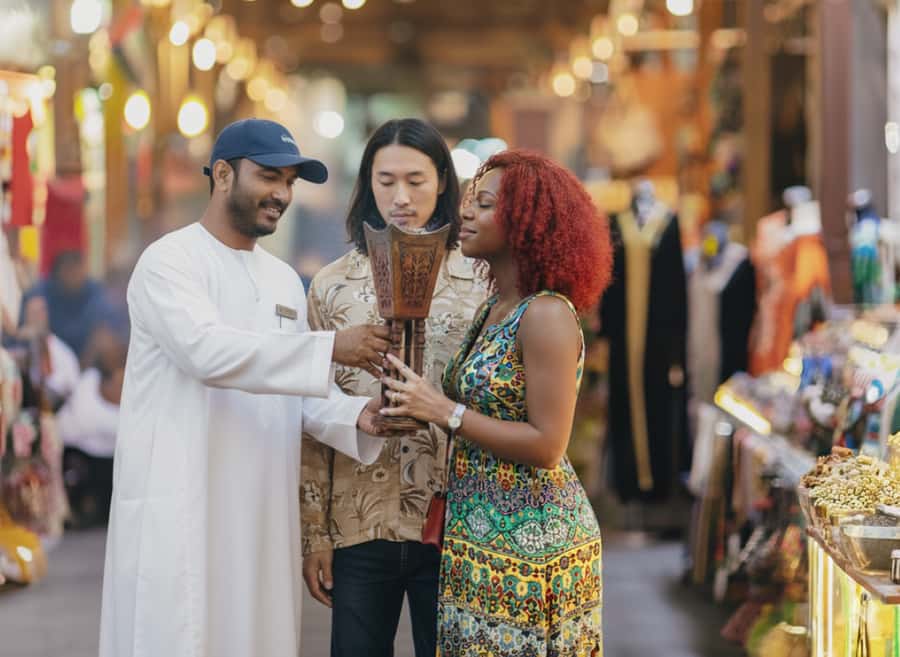
Reviewed · OLD DUBAI AND THE SOUKS
Dubai: Old Town, Street Food, Creek, Souks, & Emirati House
Dubai’s best stories begin away from the towers. This three-hour walk brings you into Al Fahidi, where old walls, creek views, samosas, and Emirati customs give the city a human scale. I like the mix of guided storytelling and hands-on stops, especially the Abra crossing and the chance to taste Karak tea, dates, Arabic coffee, camel milk chocolate, and local snacks. The main drawback is the amount of walking in a hot city, and the tour is not suitable for children under five or wheelchair users.
At only $6 per person, this is unusually strong value if you want an introduction to Dubai beyond its malls and skyscrapers. Guides such as Khan, Fesal, Mustafa, Nasser, Ibrahim, and Houssam have been praised for clear explanations, humor, patience, and help in the souks. Food tastings can depend on the option you book, so check that detail before paying.
In This Review
- Key points at a glance
- Starting at Al Khayma Heritage Restaurant
- Al Fahidi Fort and the first glimpse of old Dubai
- Al Seef, the mosque, and the old city wall
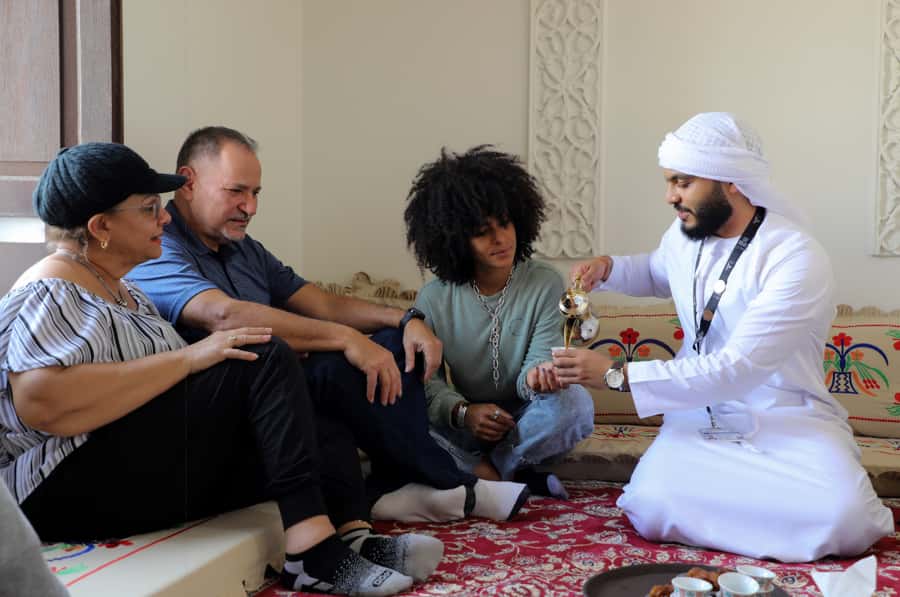
- Karak tea, samosas, and Emirati welcome
- Crossing Dubai Creek by traditional Abra
- Bur Dubai Souk and the art of browsing
- Spice Souk: scents, advice, and a lively market
- Gold Souk and the final stop
- How the three-hour pace feels
- The guide makes the difference
- Is $6 genuinely good value?
- Who should book this Old Dubai walk?
- FAQ
- How long does the Old Dubai tour last?
- Where is the meeting point?
- Where does the tour finish?
- Is the Abra ride included?
- What food and drinks are included?
- Is Dubai Museum open during this tour?
- Is the tour suitable for young children or wheelchair users?
- Should you book it?
Key points at a glance
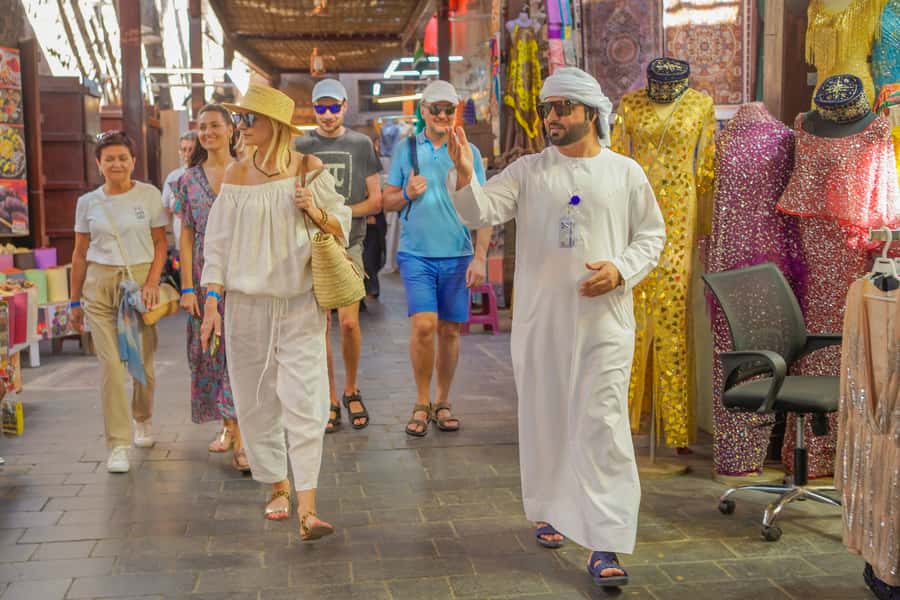
- Old Dubai in three hours: Cover Al Fahidi, Al Seef, the Creek, Bur Dubai Souk, the Spice Souk, and the Gold Souk without arranging several separate stops.
- A real Abra crossing: The short traditional boat ride adds a simple but memorable link between the two sides of Dubai Creek.
- Emirati hospitality: Expect dates, Arabic tea or coffee, and camel milk chocolate, with an Emirati heritage house visit included.
- Useful food tastings: Karak tea and samosas are included when you select the street-food option.
- Strong guide-led value: The tour costs $6 and includes guiding, heritage entries, the Abra ride, drinks, snacks, and a bottle of water.
- Best for curious first-time visitors: You get history, local customs, shopping time, and practical souk help in one compact outing.
Starting at Al Khayma Heritage Restaurant
You meet your guide at the entrance of Al Khayma Heritage Restaurant in the Al Fahidi Historical Neighborhood. This is a useful starting point because the restaurant sits close to the older quarter, rather than dropping you into a modern commercial district first.
From there, the walk begins around Al Seef and the creek. The opening section helps you shift gears. Dubai can feel like a city built for highways, towers, and air-conditioned interiors, but here the pace is on foot, and the older parts of the city come through in small details.
The meeting point is reported as easy to find and close to a Metro station. Still, give yourself time to arrive. The tour moves through several stops, and being late at the beginning can make a short three-hour program feel rushed.
More creek and souk walks in Dubai:
- Dubai: Old Town, Creek, Museums, Souks, & Street Food Tour
★ 4.8 · 10,816 reviews - Dubai: Old Town, Souks, Street Food, Guided Tour & Abra Ride
★ 4.9 · 7,170 reviews - Dubai: Frame Tickets, Creek, Souks & Blue Mosque Guided Tour
★ 4.8 · 5,980 reviews
Al Fahidi Fort and the first glimpse of old Dubai
The stop at Al Fahidi Fort lasts about 15 minutes and includes guided sightseeing. It is not a long museum visit, but it gives you a physical anchor for the city’s earlier story.
The fort and surrounding district help explain how different Dubai feels from the familiar modern center. The tour places the fort alongside older homes, narrow paths, creek-side views, and traditional markets, so you are not simply looking at one isolated monument.
Dubai Museum is temporarily closed, so do not book this walk expecting a full museum session inside the fort. The value here is the guide’s explanation and the chance to see the area as part of a wider old-town route.
Guides have been the strongest part of this tour. Khan has been praised for clear answers and useful souk tips. Fesal has been described as friendly, funny, and easy to understand. Mustafa has received special praise for making Emirati culture interesting and for helping with photographs. Your guide will vary, but the repeated pattern is a personable, well-informed host who keeps the history connected to daily life.
Al Seef, the mosque, and the old city wall
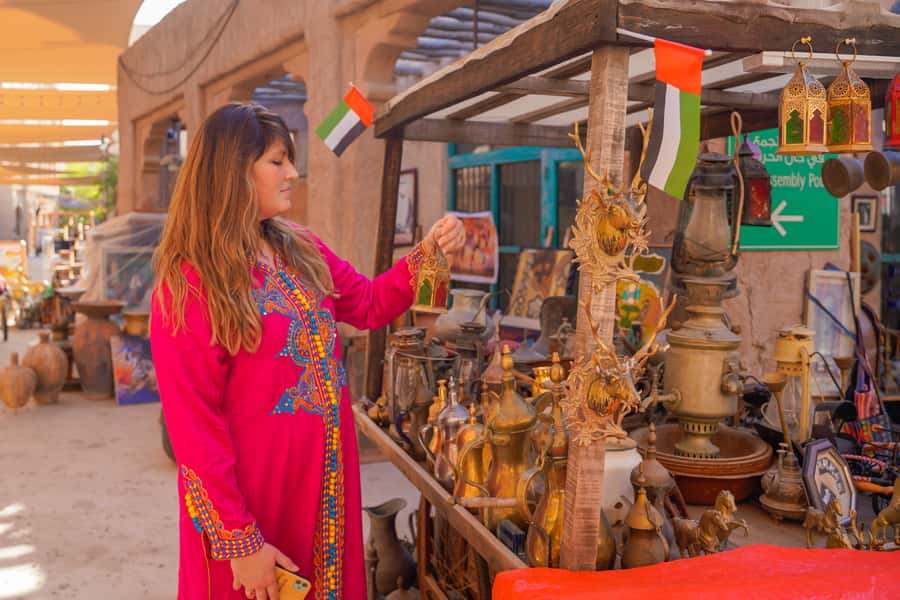
The Al Seef stop takes about 15 minutes and includes a guided walk with views toward the Creek. You will also pause at a mosque for photographs and hear more about the district’s cultural setting.
A further stop at the Wall of Old Dubai allows time for photos and free exploration. These short visits are not designed for detailed architectural study. Instead, they give you a series of visual markers that make the old quarter easier to read.
I like this format for a first visit because it avoids spending an hour on one site while leaving you unsure how the pieces fit together. You get a fort, a mosque, an old wall, creek views, and traditional lanes before the tour shifts toward food and shopping.
The tradeoff is depth. Fifteen minutes passes quickly, and a guide who is especially enthusiastic may have plenty to say. If you want long stretches for quiet photography or close study, this will feel brisk. If you want a clear introduction with several different impressions, the pace works well.
Karak tea, samosas, and Emirati welcome
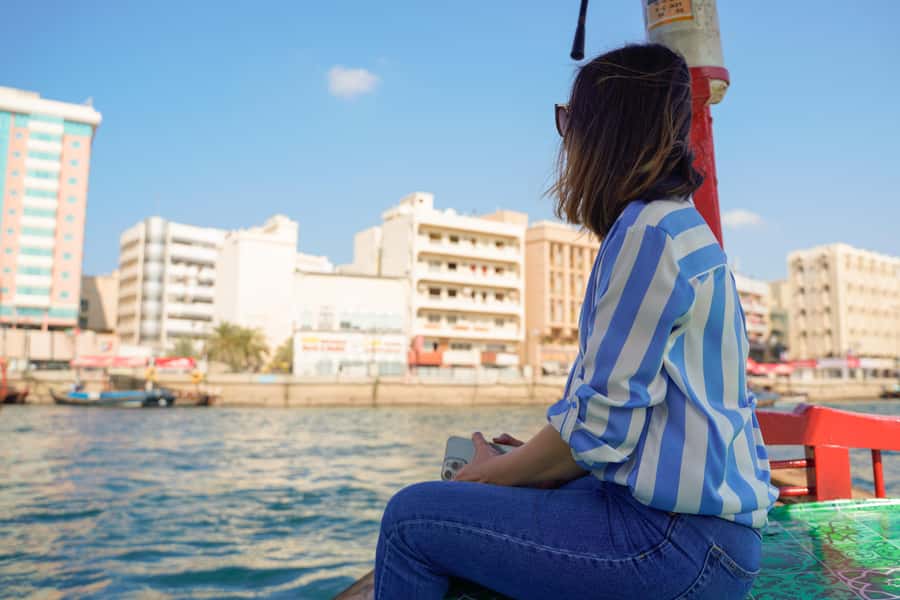
Food gives the walk a more direct connection to local life. The street-food option includes Karak tea and samosas, while the wider inclusions list also covers Arabic tea or coffee, dates, camel milk chocolate, and a bottle of water.
Karak tea is a sweet, spiced milk tea and a familiar part of everyday refreshment in the region. Samosas offer a quick savory bite. Together, they turn the history lesson into something you can taste rather than only hear about.
At the Emirati heritage house, you can expect a more formal welcome with dates, tea, and Arabic coffee. Several people have especially liked the dates, coffee, sweets, and doughnuts with date syrup. The camel milk chocolate is another small detail that adds local character without taking up much time.
Check the booking option carefully for the street food. The description says Karak tea and samosas are included if that option is selected. The heritage-house hospitality and other listed refreshments are part of the broader package, but food inclusions can vary by choice.
This is one area where the $6 price becomes hard to ignore. Even if you place little value on the snacks themselves, the combination of a guide, heritage entries, a boat ride, and tastings gives you a useful introduction for very little money.
More Food and Drink Tours in Dubai:
- Dubai: Old Town, Souks, Street Food, Guided Tour & Abra Ride
★ 5.0 · 1,664 reviews - Old Dubai tour: Local Market, Tasting, Dubai creek with Abra ride
★ 5.0 · 834 reviews - Old Dubai: Premium Guided Tour with Street Food & Abra Ride
★ 4.9 · 416 reviews - Dubai Top Highlights: Frame Entry, Souks, Abra & Street Food
★ 4.8 · 344 reviews
Crossing Dubai Creek by traditional Abra
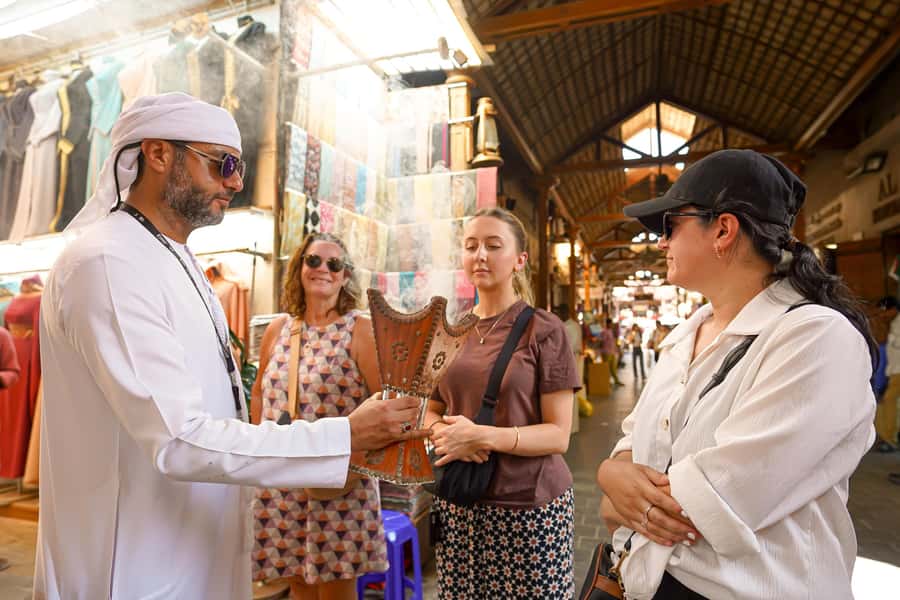
The Abra ride from Bur Dubai Abra Dock is scheduled for about 15 minutes, including the crossing and time for scenic views. It is a short ride, not a long cruise, but that is exactly why it fits neatly into this walking tour.
The boat provides a break for your feet and changes the view. Instead of following roads or taking a vehicle between districts, you cross the Creek in the same simple way that has long linked the two sides of old Dubai.
Several people have enjoyed this part more because the guide handles the practical side. If you are unfamiliar with the docks, having someone lead the way removes a small source of confusion. Annette specifically appreciated not having to organize the Abra alone.
Do not expect luxury seating or a private boat. This is a traditional public-style crossing, and the attraction is the brief ride, open views, and sense of movement between the old districts. Keep your phone ready, but also look up from the screen. The Creek is one of the few places on this route where the city’s activity can be taken in from the water.
Bur Dubai Souk and the art of browsing
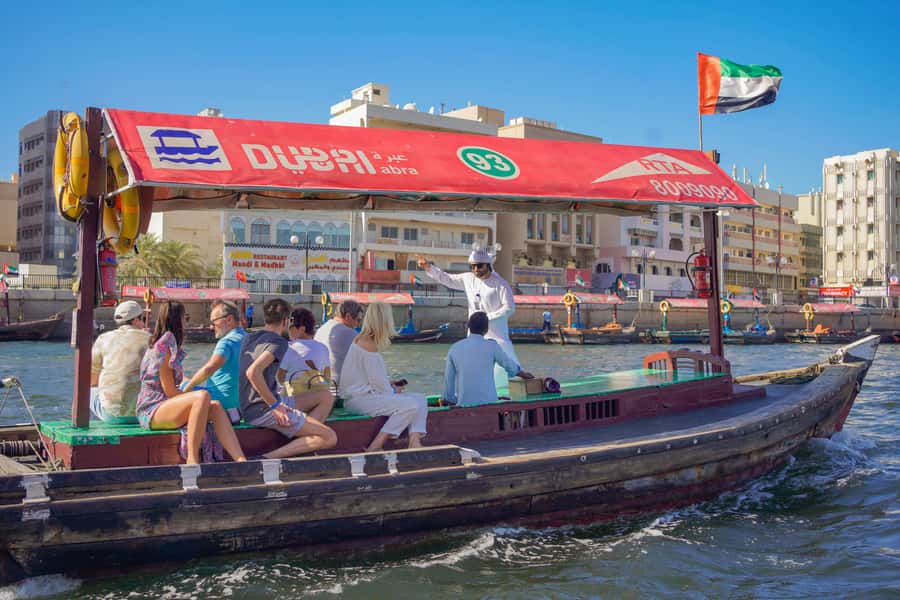
The Bur Dubai Souk Market receives about 30 minutes, making it one of the longer stops. You have time for a guided visit, photos, free browsing, shopping, and food tasting.
This is where the tour becomes more practical. You can see textiles, gifts, and other traditional market goods while your guide explains how to approach the shops. Mustafa has been praised for helping with shopping, and several guides have been described as useful sources of advice in the souks.
You should expect sales attention. That is part of the market experience, but it can be tiring if you want to browse quietly. Go in with a clear idea of what interests you, ask prices before committing, and remember that bargaining is expected in many souk settings. A guide can help you feel less lost, but the final buying decision remains yours.
The 30-minute slot is enough for a first look and perhaps a purchase. It is not enough for a slow examination of every stall. If shopping is your main goal, you may want to return after the tour, when you can set your own pace.
Spice Souk: scents, advice, and a lively market
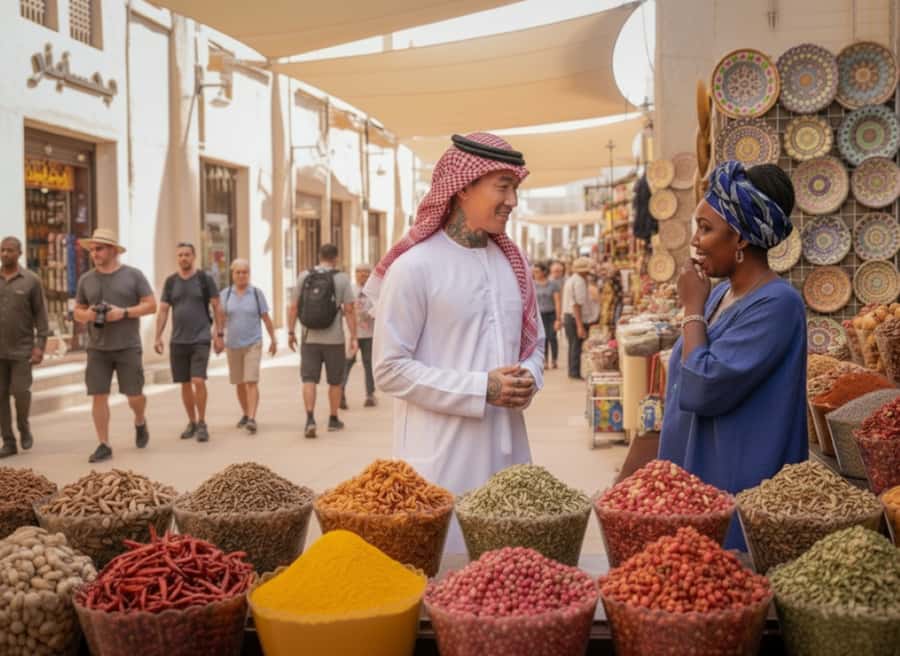
After crossing the Creek, the route visits the Dubai Spice Souk for about 30 minutes. This is another substantial stop, with time for photos, walking, shopping, and a guided explanation.
Spices make this market more than a row of souvenir shops. You can look at sacks, jars, tea products, and other goods while your guide explains what you are seeing. The experience is strongest when you treat it as a place of trade rather than a staged photo backdrop.
The souk can also be the most demanding part of the outing. Shopkeepers may invite you to look at products, and prices can require discussion. Guides such as Khan and Iqbal have been praised for offering useful tips, which can make the visit feel more comfortable for a first-time shopper.
If you are not buying anything, you can still enjoy the colors, scents, and market rhythm. Just keep your belongings close, stay with the group, and avoid carrying a large bag. Large bags and luggage are not allowed on the tour.
Gold Souk and the final stop
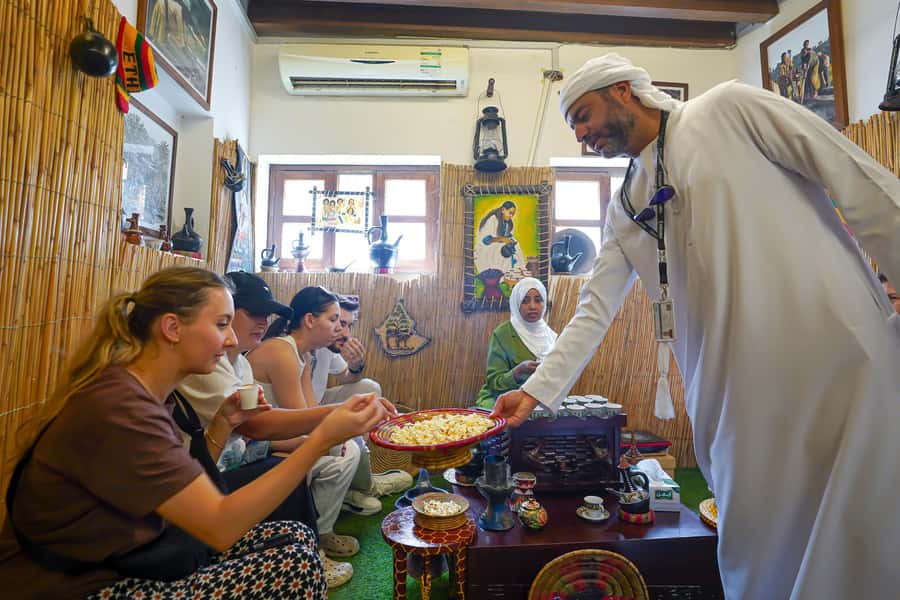
The final 15-minute stop is the Dubai Gold Souk. The tour ends here, so you are free to continue shopping or make your own way onward after the guide finishes.
Even if you have no plans to buy jewelry, the Gold Souk is worth seeing for its displays and sheer concentration of gold shops. The short visit keeps the tour from turning into a sales marathon, though dedicated shoppers will need extra time later.
This ending is convenient if you want to continue exploring the Deira side of the Creek. It also means you should not expect a return to Al Fahidi. Plan your next stop from the Gold Souk rather than assuming you will finish where you began.
How the three-hour pace feels
The timing is compact but sensible. Several stops take 15 minutes, while the Bur Dubai and Spice Souks receive about 30 minutes each. That gives you a broad introduction without asking you to spend the whole day on your feet.
I would choose an earlier or later start when possible, especially during hot weather. The route includes walking, outdoor photo stops, market lanes, and the Abra dock. One person who was six months pregnant appreciated that guide Khan made regular use of shade and air-conditioned stops, but conditions can still be demanding.
Wear comfortable shoes and bring sun protection. The tour includes a bottle of water, yet you should still take the heat seriously. Rest opportunities are part of the route, but this is not a seated sightseeing tour.
The walk is not recommended for infants, children under five, or wheelchair users. Pets and large bags are not allowed. These limits matter because the route uses older market lanes, docks, and a traditional boat rather than fully accessible modern facilities.
The guide makes the difference
The route itself is good, but the guide determines how much you take from it. The most praised qualities are clear English, warmth, humor, patience, and the ability to answer questions without making the tour feel like a lecture.
Names frequently associated with strong experiences include Ahmed, Nasser, Ibrahim, Fesal, Mustafa, Khan, Iqbal, Houssam, Noor, Ismail, Adnan, Hamza, and Mostafa. You cannot choose a particular guide from the information provided, but the range of languages is useful: English, German, Spanish, French, and Italian are offered.
I would ask questions as you go. The best moments may come from explanations of transport, old homes, customs, shopping habits, and modern Emirati life. The walk is most rewarding when you treat it as a conversation rather than a checklist of photo stops.
Solo visitors can also feel well supported. One person traveling alone felt safe and well looked after, while parents said their children enjoyed guides who were friendly and engaging. The setting remains public and active, but a guide adds structure and reassurance.
Is $6 genuinely good value?
Yes, provided you want a sampler rather than a specialist tour. For $6, you receive a three-hour guided walk, heritage-site entry, an Abra ride, Emirati refreshments, a heritage-house visit, a bottle of water, and street food if selected.
That is excellent value on paper, and the route covers enough ground to save you the trouble of arranging each piece yourself. The guide also helps connect Al Fahidi, the Creek, and the souks into one story.
The low price does not mean you should expect private guiding or long visits at each attraction. The tour is shared, the schedule is fixed, and some experiences are brief. The best way to judge it is as an affordable orientation to Old Dubai, followed by independent time if a particular market or historic area catches your interest.
Free cancellation up to 24 hours before the start and reserve-now, pay-later booking make it easier to fit into a changing Dubai schedule. Starting times vary, so check availability when you book.
Who should book this Old Dubai walk?
I recommend it most to first-time visitors, short-stay visitors, couples, solo visitors, and anyone who has already seen modern Dubai and wants a different side of the city. It also suits people who enjoy learning through food, short walks, and conversation.
You will get the most from it if you want history in plain language, a little shopping, local drinks and sweets, and a traditional boat crossing. It is also a smart first-day activity because the guide can help you get your bearings in the old districts.
I would skip it if you dislike market sales, outdoor walking, or compact schedules. Families with infants, children under five, and wheelchair users should choose another activity. And if your main aim is serious jewelry shopping or a long museum visit, this tour gives too little time for either.
FAQ
How long does the Old Dubai tour last?
The tour lasts three hours. Starting times vary, so you should check availability when booking.
Where is the meeting point?
Meet your guide at the entrance of Al Khayma Heritage Restaurant in the Al Fahidi Historical Neighborhood in Dubai.
Where does the tour finish?
The tour ends at the Dubai Gold Souk.
Is the Abra ride included?
Yes. A traditional Abra ride across Dubai Creek is included.
What food and drinks are included?
The experience includes Arabic tea or coffee, dates, camel milk chocolate, and a bottle of water. Karak tea and samosas are included when you select the street-food option.
Is Dubai Museum open during this tour?
Dubai Museum is temporarily closed. The tour still includes a visit and guided sightseeing at Al Fahidi Fort, along with other heritage areas.
Is the tour suitable for young children or wheelchair users?
The tour is not recommended for infants, is not suitable for children under five, and is not suitable for wheelchair users. Pets and luggage or large bags are also not allowed.
Should you book it?
Book this tour if you want a low-cost, well-rounded introduction to Old Dubai rather than a long specialist history walk. The combination of Al Fahidi, Emirati hospitality, local snacks, the Creek crossing, and two souks gives you a useful first look at the city’s older character.
At $6, the value is hard to beat. Just plan for walking, heat, brief visits, and some market sales pressure. If you arrive with comfortable shoes, an open mind, and realistic expectations, this compact outing can become one of the smartest ways to see Dubai beyond its skyline.
Just added around Dubai
- Abu Dhabi and Ferrari World Tour★ 3.5 · 9 reviews
- Night City Tour of Dubai★ 4.5 · 14 reviews
- FLYBOARD 30mn session @ POPEYE JETSKI★ 5.0 · 80 reviews
- Premium Desert safari With Dune buggy camel ride BBQ dinner★ 5.0 · 36 reviews
- Full Day Hatta Mountain Tour from Dubai★ 5.0 · 23 reviews
- Sky Views Dubai with Options★ 4.5 · 17 reviews
- Dunes Safari Sandboarding and Photography in Desert★ 5.0 · 47 reviews
- Dubai Sunrise / Morning private safari tour★ 5.0 · 18 reviews
Old Dubai and the Souks, compared.
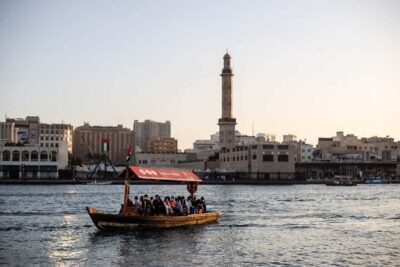
Old Town, Creek, Museums, Souks, & Street Food Tour
Read our review →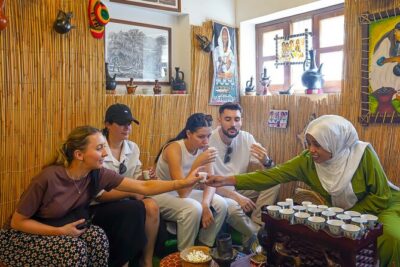
Old Town, Souks, Street Food, Guided Tour & Abra Ride
Read our review →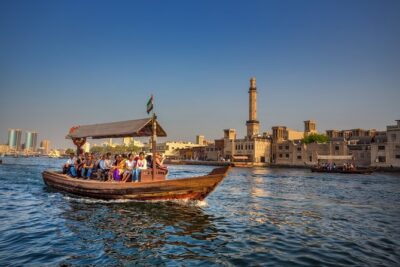
Frame Tickets, Creek, Souks & Blue Mosque Guided Tour
Read our review →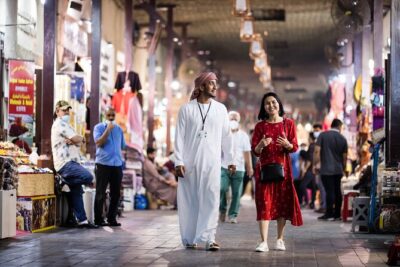
Dubai Aladdin Tour: Souks, Creek, Old Dubai and Tastings
Read our review →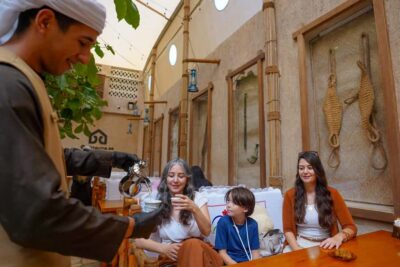
Half-Day City Tour with Blue Mosque, Creek, and Souks
Read our review →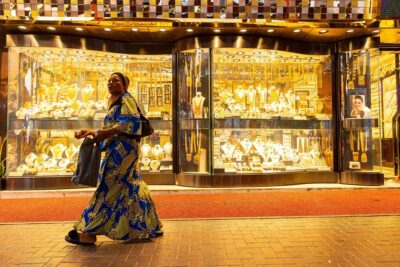
Dubai Half-Day City Tour with Visit to Dubai Gold Souk
Read our review →Old Town, Souks, Street Food, Guided Tour & Abra Ride
Read our review →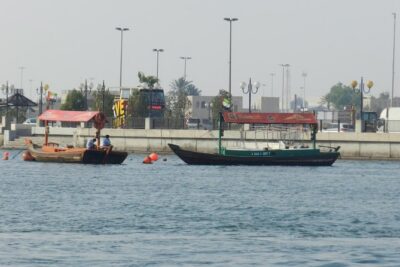
Dubai City Tour: Old & New Dubai Abra Ride, Palm Island, Souks
Read our review →Also listed under