Reviewed · OLD DUBAI AND THE SOUKS
Old Dubai Walking Tour with Local/souks, boat, and local tasting.
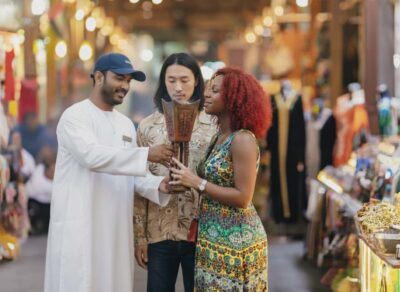
Old Dubai rewards slow travel. This three-hour walk brings you through Al Seef, Al Fahidi, the textile and spice markets, the Gold Souk, and a traditional creek crossing. I especially like the low price of $22.89 and the way the tour links old neighborhoods with everyday markets, rather than showing you only Dubai’s polished modern side. The local guide is another strong point, with guides such as Adnan, Ikram, and Mohammodo praised for clear explanations and a friendly approach.
The main consideration is focus. A good part of the outing takes place in shopping souks, so this is not a museum-heavy history tour. You should also allow for some walking, market browsing, and the possibility of timing or group-size changes, since one report described a group of about 15 despite the stated maximum of eight.
In This Review
- Key points at a glance
- Why old Dubai works better on foot
- Al Seef and the creek’s commercial past
- Al Fahidi’s wind towers and older homes
- Al Fahidi Fort and the short museum stop
- Textile Souk: browsing with a practical warning
- The Bur Dubai abra crossing
- Spice Souk and the smell of old trade
- Gold Souk and the busy finish in Deira
- What $22.89 gets you
- Timing, meeting point, and walking advice
- Who will enjoy this Old Dubai walk
- Should you book it?
- FAQ
- How long does the Old Dubai walking tour last?
- How much does the tour cost?
- Where does the tour begin?
- Where does the tour finish?
- Is an abra boat ride included?
- Which markets are included?
- Does the tour visit Al Fahidi Historical Neighbourhood?
- Is the group limited in size?
- Can I cancel for a full refund?
Key points at a glance
- The creek is the thread: Al Seef, Bur Dubai, the abra crossing, and Deira all make more sense when you see them as parts of one trading waterway.
- Al Fahidi gives you old Dubai’s clearest setting: Wind towers, palm wood, teak, gypsum, and stone create a sharp contrast with the high-rises.
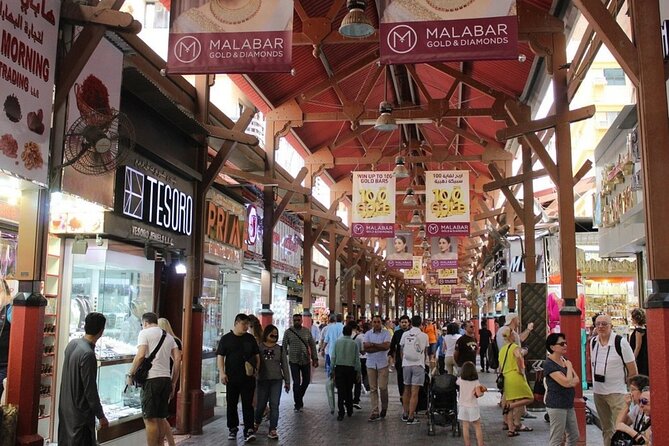
- The souks are central to the experience: Expect textiles, spices, gold, sales pitches, and time to browse.
- The traditional abra ride is brief but useful: The 10-minute crossing connects Bur Dubai with Deira and gives you a different view of both shores.
- The guide makes the difference: Adnan, Ikram, and Mohammodo have each received praise for their patience, enthusiasm, and explanations.
- The price is strong for a small-group walk: At $22.89, the tour offers a practical introduction to several historic districts in one morning or afternoon.
Why old Dubai works better on foot
Dubai is often presented through towers, malls, and grand construction. This tour shifts the attention to the creek, where trade, boats, markets, and older homes shaped the city long before the present skyline appeared.
Walking matters here. Al Fahidi’s narrow lanes and traditional buildings are easier to appreciate at street level than from a vehicle. You can look up at the barajeel, or wind towers, and see how older homes were designed with local materials such as palm wood, fronds, teak, sandalwood, stone, and gypsum.
The route also shows how the older districts function today. Some areas are preserved for their architecture, while others remain active commercial zones. That mix gives the walk more value than a simple photo stop, though the experience is still introductory rather than a detailed academic study of Dubai’s past.
The guide is important because the sights are not always self-explanatory. The strongest feedback highlights guides who put Dubai’s past, culture, leadership, and future direction into context. Mohammodo was praised for sharing information with real enthusiasm, while Ikram was described as informative, patient, and helpful. Adnan also received strong praise after resolving a small timing problem.
More creek and souk walks in Dubai:
- Dubai: Old Town, Creek, Museums, Souks, & Street Food Tour
★ 4.8 · 10,816 reviews - Dubai: Old Town, Souks, Street Food, Guided Tour & Abra Ride
★ 4.9 · 7,170 reviews - Dubai: Frame Tickets, Creek, Souks & Blue Mosque Guided Tour
★ 4.8 · 5,980 reviews
Al Seef and the creek’s commercial past
The tour begins at Souk Al Seef, a modern development designed around the memory of Dubai Creek’s earlier trading life. Al Seef stretches for about 1.8 kilometers along the creek and combines a heritage-style section with more contemporary buildings.
You get around 40 minutes here. That is enough time for your guide to explain the creek’s role and for you to take in the architectural contrast. One side suggests an older coastal trading settlement, while another uses a newer retail setting to present that past.
Al Seef is not an untouched historic quarter. It is a recent development launched in late 2017, so you should see it as an interpretation of old Dubai rather than an original neighborhood preserved exactly as it was. That is not necessarily a flaw. It provides an easy introduction to the creek before you move into the older lanes of Al Fahidi.
I like this opening because it gives the route a clear theme. You are not simply ticking off markets. You are following the waterway that helped Dubai grow as a center for trade.
Al Fahidi’s wind towers and older homes
The 30-minute visit to Al Fahidi Historical Neighbourhood is the architectural heart of the walk. This area reflects the traditional way of life found in Dubai from the mid-19th century through the 1970s.
Look for the high air towers, known as barajeel. They were built into homes to help move air through the rooms. The buildings use materials tied to the region, including stone, gypsum, teak, sandalwood, palm wood, and palm fronds.
This is the stop where the contrast with modern Dubai becomes most obvious. You move from a city associated with glass towers and huge roads into lanes lined with low buildings and shaded courtyards. The change is not just visual. It helps you understand that Dubai’s present wealth came after a much smaller trading community had already formed around the creek.
The guide’s commentary matters most here. Without explanation, you may notice the shapes and materials but miss why they were used. The tour is strongest when your guide connects the buildings to daily life rather than simply naming them.
You should keep your expectations sensible. Thirty minutes is enough for an introduction, not a full study of every house or historical detail. If your main goal is architecture and local history, listen closely and ask questions while the group is in this neighborhood.
Al Fahidi Fort and the short museum stop
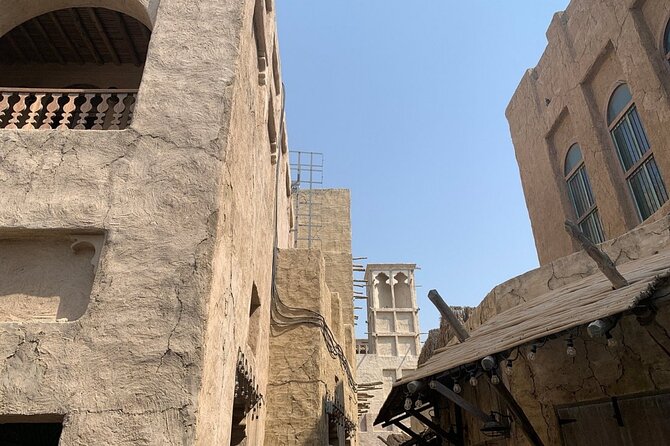
The route includes Al Fahidi Fort, described as Dubai’s oldest existing building. The fort dates to 1787 and sits south of the creek near Al Souk Al Kabir and the Ruler’s Court area.
The planned stop is only five minutes. That tells you how to treat it: as a quick historical marker, not a full museum visit. You may see the fort and hear why it matters, but you should not expect a long indoor visit or an extended examination of its exhibits.
The brief timing can disappoint anyone hoping for a major museum component. On the other hand, it keeps the walk moving toward the markets and creek crossing. The fort works best as a compact piece of context within a broader neighborhood tour.
More Boat Tours in Dubai:
- Dubai Marina: Luxury Yacht Tour with Breakfast or BBQ Option
★ 4.7 · 21,528 reviews - Dubai: The Luxury Yacht Tour with Live BBQ Option
★ 4.7 · 13,665 reviews - Dubai Marina Yacht Tour with Optional Breakfast or BBQ
★ 5.0 · 7,126 reviews - Dubai: Sunset or Dinner Cruise with Live Music & Open Bar
★ 4.7 · 6,030 reviews
Textile Souk: browsing with a practical warning
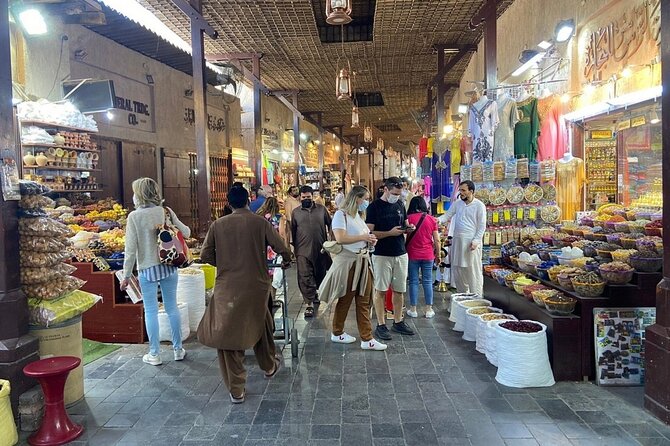
The Textile Souk receives about 30 minutes. It was established in the early 1900s as a place for trading cloth used for clothing and special occasions. Its commercial role has faded as Dubai changed, and it now caters more heavily to people browsing and shopping.
You might find fabrics, garments, and shopkeepers eager to start a conversation. This is a useful place to see how an old trading district has adapted to modern tourism, but it is also where the tour’s shopping focus becomes clear.
If you dislike sales pitches, keep your expectations in check. The walk does not treat the souk only as a historic display. You will have time to look at products, ask about prices, and decide if anything interests you.
This stop also explains the mixed response the tour can receive. I can see why someone seeking current cultural context would enjoy it. I can also see why someone expecting a long sequence of historic sights might find the market time too heavy. The tour includes history, but it presents much of that history through working or tourist-oriented marketplaces.
The Bur Dubai abra crossing
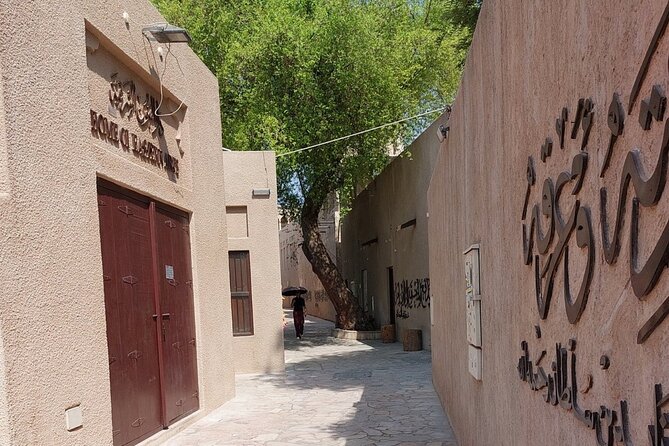
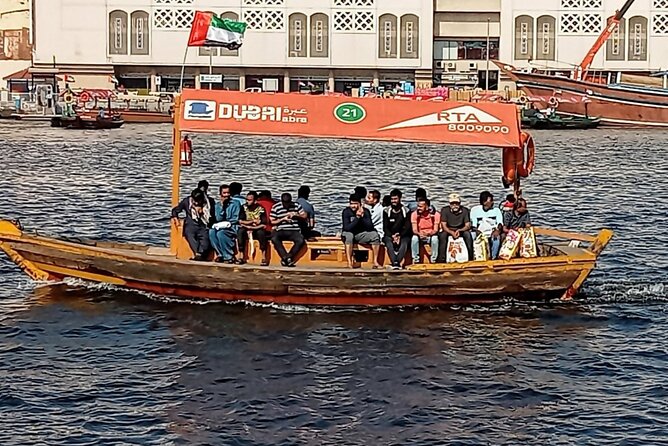
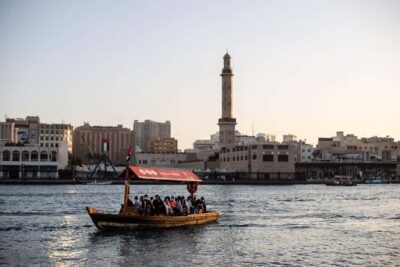
The 10-minute abra ride is short, simple, and one of the most memorable parts of the route. Abras are traditional boats that carry people between Bur Dubai and Deira across Dubai Creek.
This is not a scenic cruise with a long narration. It is a practical crossing, and that is part of its appeal. You move across the same waterway that links the older districts, with views toward both sides of the canal.
The ride breaks up the walking and gives you a better sense of the creek’s role. After spending time among buildings and market lanes, you get a few minutes on the water before reaching the Deira side.
Stay aware of the timing. Ten minutes passes quickly, and the boat ride is one section of a tightly scheduled route. If you want a long cruise or time for extended photography, this tour will not provide it.
Spice Souk and the smell of old trade
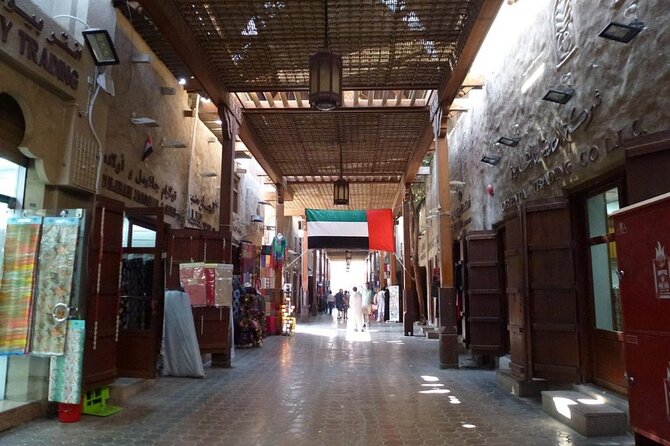
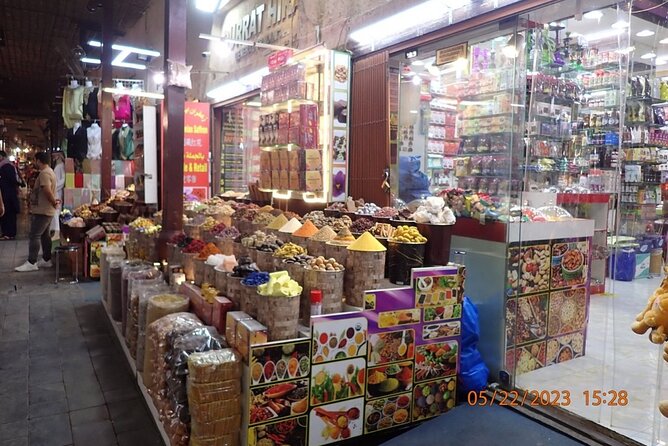
After crossing to Deira, the tour spends about 30 minutes in the Spice Souk. The market began around 1850 near the dhow moorings, where goods could be loaded and traded more easily.
You can expect displays of spices and a market atmosphere shaped by trade. The stop offers a stronger sensory experience than the fort or neighborhood architecture, with shop fronts built around products rather than preserved walls.
The guide can help explain how the market fit into the larger bazaar and why its position near the boats mattered. This is where the route’s story about commerce becomes especially clear: goods arrived by water, moved through the market, and reached both local residents and outside buyers.
The tour also includes a local tasting as part of its advertised experience. The supplied details do not identify the food or drink, so I would not book this expecting a particular dish. Think of it as a small added taste of local life, not a full food tour.
Gold Souk and the busy finish in Deira
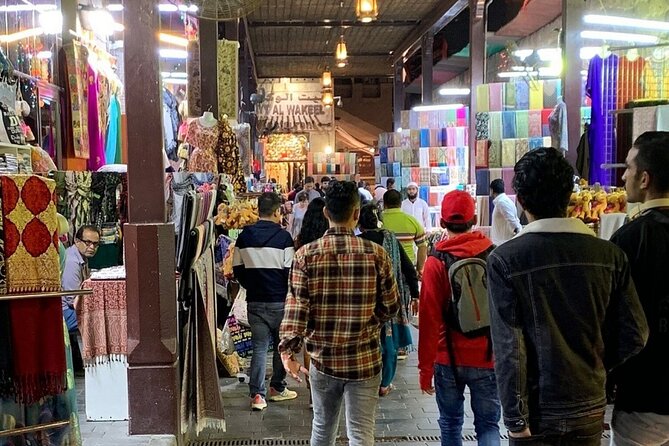
The final major stop is Dubai Gold Souk, with about 35 minutes set aside. Located in Deira’s Al Ras district, the market includes more than 380 retailers, many selling jewelry.
The souk dates to the early 1900s and existed before the United Arab Emirates was formed. Its importance was tied to trade and the local economy, which gives the stop more historical weight than a simple shopping visit.
You do not need to buy anything to appreciate the scale and purpose of the market. The route lets you see how gold became part of Dubai’s commercial identity, while also giving you time to browse.
This is another point where the tour’s priorities are clear. The Gold Souk is a genuine market district, but it is also a major attraction for shoppers. If you want a quiet historical walk with few commercial stops, this may feel too sales-oriented. If you want to combine old Dubai history with a look at famous markets, the ending works well.
The tour finishes at Al Ras Metro Station, which is practical for continuing around Deira or returning by public transportation.
What $22.89 gets you
At $22.89 per person, this is a strong-value introduction to Old Dubai. In about three hours, you cover Al Seef, Al Fahidi, Al Fahidi Fort, the Textile Souk, the abra crossing, the Spice Souk, and the Gold Souk.
The value comes from the route and the guide rather than from expensive admissions. All listed stops have free admission, and the experience uses Dubai’s streets, neighborhoods, markets, and public boat service as its main attractions. You are paying for structure, local explanation, and the convenience of connecting several districts in one outing.
The price is especially attractive if you have limited time in Dubai. You get a quick orientation to the creek and both sides of it without arranging each stop yourself.
The small-group promise also adds value. The stated maximum is eight people, though one response from the operator referred to a group of around 15 on a particular day. I would treat the tour as intended for a small group, but remain prepared for the actual size to vary.
Timing, meeting point, and walking advice
The meeting point is Sharaf DG Metro Station, Exit 4, near Fahidi Metro. The end point is Al Ras Metro Station in Deira. Since the route begins and ends at metro stations, public transportation is a useful part of the plan.
The total duration is about three hours. The stop times add up closely to that figure, so the pace is organized rather than leisurely. You will have time to see each area, but not unlimited time for shopping or photography.
Wear comfortable shoes and expect outdoor walking between stops. The route includes historic lanes, souks, a boat station, and a creek crossing. A mobile ticket is provided, and confirmation is received when you book.
Most people can take part, according to the available details. Free cancellation is available up to 24 hours before the start time for a full refund. Cancellations or changes made less than 24 hours before the start are not accepted for a refund.
Who will enjoy this Old Dubai walk
I would choose this tour if you want a first look at Dubai beyond its modern skyline. It suits you especially well if you like local markets, traditional architecture, public transport, and short historical explanations from a guide.
It is also a good fit for a short stay. The route covers several well-known areas without requiring you to work out the order or transport connections.
You may want a different experience if your priority is a full museum visit, detailed archaeology, or a quiet walk away from shops. The tour gives substantial time to textile, spice, and gold markets, and one response specifically found it light on historical sights. That criticism is fair, even though other experiences praised the guides and the amount of information delivered in three hours.
Should you book it?
Book this Old Dubai walking tour if you want an affordable, well-organized introduction to the creek districts, with a traditional abra ride and plenty of market time. The strongest reason to go is the guide. Adnan, Ikram, and Mohammodo have each been praised for patience, enthusiasm, and useful local context.
Go in expecting a lively market walk with history woven through it, not a formal museum tour. If that balance suits you, $22.89 buys a lot of orientation in a short time. If you want quiet historic buildings and long lectures, choose a more specialized cultural tour instead.
FAQ
How long does the Old Dubai walking tour last?
The tour lasts approximately three hours.
How much does the tour cost?
The listed price is $22.89 per person.
Where does the tour begin?
It begins at Sharaf DG Metro Station, Exit 4, near Fahidi Metro Station in Dubai.
Where does the tour finish?
The tour ends at Al Ras Metro Station on Al Khor Street in the Al Ras area of Deira.
Is an abra boat ride included?
Yes. The route includes a traditional abra ride from the Bur Dubai Abra Station across Dubai Creek to the Deira side.
Which markets are included?
The tour visits the Textile Souk, Spice Souk, and Gold Souk.
Does the tour visit Al Fahidi Historical Neighbourhood?
Yes. You spend about 30 minutes in Al Fahidi Historical Neighbourhood, where you can see traditional buildings and wind towers.
Is the group limited in size?
The stated maximum is eight participants. One operator response described a group of around 15 on a particular day, so the actual group may occasionally differ.
Can I cancel for a full refund?
Yes. You can cancel at least 24 hours before the start time for a full refund. Changes or cancellations made less than 24 hours before the start time are not accepted for a refund.
More Food and Drink Tours in Dubai
- Dubai: Old Town, Souks, Street Food, Guided Tour & Abra Ride
★ 5.0 · 1,664 reviews - Dubai: Old Town, Street Food, Creek, Souks, & Emirati House
★ 4.9 · 1,496 reviews - Old Dubai tour: Local Market, Tasting, Dubai creek with Abra ride
★ 5.0 · 834 reviews - Old Dubai: Premium Guided Tour with Street Food & Abra Ride
★ 4.9 · 416 reviews
More Walking Tours in Dubai
- Middle Eastern Food & Culture Walk in Old Dubai
★ 5.0 · 206 reviews - Historic Old Dubai & Souk Small Group Walking Tour
★ 5.0 · 156 reviews - Dubai Souks, Food & Culture Walking Tour
★ 5.0 · 132 reviews - Private Old Dubai Walking Tour: Forts, Souks, and Boats
★ 5.0 · 116 reviews
Just added around Dubai
- Affordable Yacht Rental Viktoriia from Dubai Marina★ 5.0 · 8 reviews
- Walking tour of Historical Dubai with french guide★ 4.7 · 11 reviews
- Walking Tour in Old Dubai Explor Heritage & Traditional Souq★ 4.0 · 9 reviews
- walking tour in old dubai, souks, abra boat, old town★ 5.0 · 89 reviews
- Dubai Falconry Safari★ 4.9 · 171 reviews
- 2-Hrs Private Romantic Sunset Cruise with Sushi and Drinks★ 4.9 · 52 reviews
- Private Sunrise Quad Bike in Dubai-Al Ain Road★ 5.0 · 15 reviews
- Top premium Desert safari with BBQ DINNER★ 5.0 · 27 reviews
Old Dubai and the Souks, compared.
Old Town, Creek, Museums, Souks, & Street Food Tour
Read our review →
Old Town, Souks, Street Food, Guided Tour & Abra Ride
Read our review →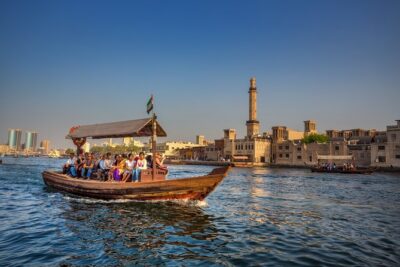
Frame Tickets, Creek, Souks & Blue Mosque Guided Tour
Read our review →
Dubai Aladdin Tour: Souks, Creek, Old Dubai and Tastings
Read our review →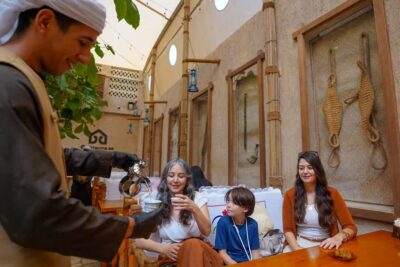
Half-Day City Tour with Blue Mosque, Creek, and Souks
Read our review →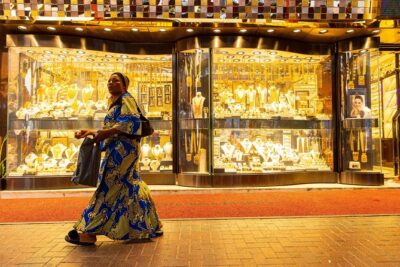
Dubai Half-Day City Tour with Visit to Dubai Gold Souk
Read our review →Old Town, Souks, Street Food, Guided Tour & Abra Ride
Read our review →