
Reviewed · OLD DUBAI AND THE SOUKS
Explore the Backstreets of Old Dubai with an Insider
Old Dubai tells the better story. This four-hour walk leaves Dubai’s glass towers behind for Deira’s souks, a wooden abra crossing, and the restored lanes of Al Fahidi. I like the clear sense of place, and I like that lunch and entry fees are built in. The main drawback is the heat: you will walk, stand, and shop outdoors, so comfortable shoes and sun protection matter.
The small group, capped at 12 people, makes this feel more personal than a standard city tour. Nada receives repeated praise for making history easy to follow and for sharing useful advice beyond the route. Still, this is not a sightseeing bus ride. You need moderate fitness, and shopping stops can take longer if you enjoy bargaining.
In This Review
- What makes this Old Dubai walk worth your time
- Why Old Dubai changes your view of the city
- Starting in Deira, where Dubai grew through trade
- Spice Souk: use your nose before your wallet
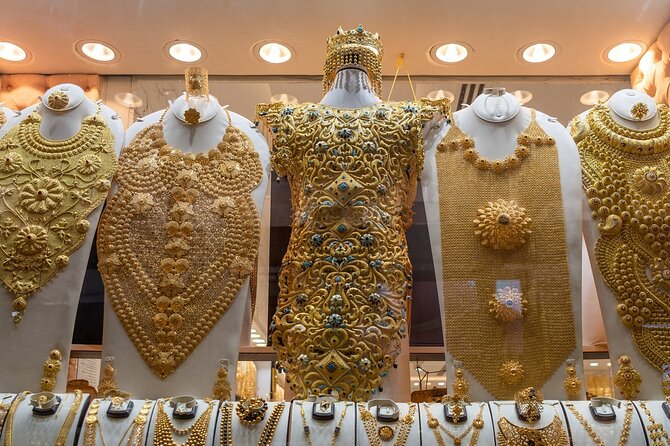
- Gold Souk: a quick look at Dubai’s showpiece market
- Textile Souk and the language of dress
- Crossing Dubai Creek by abra
- Grand Bur Dubai Masjid and a look at faith
- Al Fahidi’s wind towers and quiet lanes
- Lunch at Al Fahidi: the social part of the tour
- What the four-hour format feels like
- Who will get the most from this experience
- Should you book the Old Dubai tour?
- FAQ
- How long does the Old Dubai tour last?
- Where does the tour start?
- Where does the tour end?
- Is lunch included?
- Can I choose a morning or afternoon departure?
- How large is the tour group?
- What should I bring and wear?
What makes this Old Dubai walk worth your time
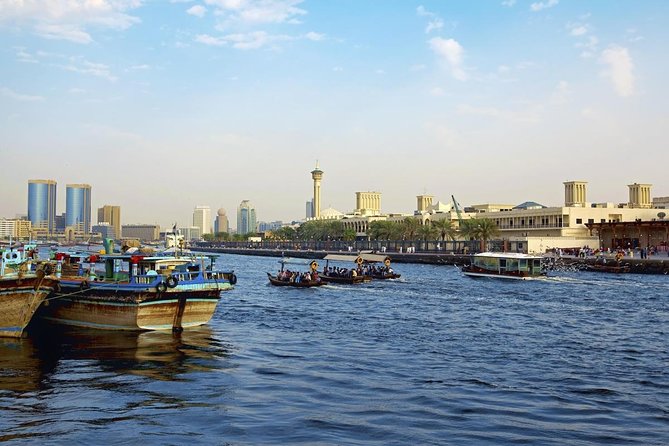
- A wooden abra across Dubai Creek: A short boat ride links Deira and Bur Dubai while giving you a different view of the city.
- Three very different souks: You move from spices and dates to gold, silver, textiles, scarves, and souvenirs.
- A guide who brings the city to life: Nada is praised for her warmth, local insight, clear explanations, and personal attention.
- Traditional architecture in Al Fahidi: Wind towers and sand-colored homes show how older houses dealt with Dubai’s heat.
- A shared Arabian lunch: Several dishes arrive for the table, giving you a chance to sample flavors rather than order one plate.
- A useful contrast to modern Dubai: The tour explains Dubai as a former pearl-trading town, not only a place of skyscrapers and shopping malls.
Why Old Dubai changes your view of the city
Dubai can easily become a parade of enormous buildings, polished malls, and record-breaking attractions. Those sights have their place, but they tell only the newest chapter. This walk shifts your attention to the creek, the trading quarters, the homes of merchants, and the customs that shaped the city before its oil-era growth.
I especially like the way the route connects places that can seem unrelated when visited alone. The gold market makes more sense after you have heard about trade and festive customs. The abra feels more meaningful when you know the creek helped connect the two sides of the old city. Al Fahidi becomes more than a photogenic lane once you understand how its homes were designed for daily life.
The price is $118.62 per person. That is not a bargain-priced stroll, but it covers a guide, entrance fees, bottled water at the restaurant, the abra crossing, and lunch. You are paying for interpretation and organization, not merely access to public streets. If you would otherwise visit the souks and Al Fahidi on your own, the tour’s value depends on how much you want context and practical help with the markets.
More creek and souk walks in Dubai:
- Dubai: Old Town, Creek, Museums, Souks, & Street Food Tour
★ 4.8 · 10,816 reviews - Dubai: Old Town, Souks, Street Food, Guided Tour & Abra Ride
★ 4.9 · 7,170 reviews - Dubai: Frame Tickets, Creek, Souks & Blue Mosque Guided Tour
★ 4.8 · 5,980 reviews
Starting in Deira, where Dubai grew through trade
The route begins in Deira, one of Dubai’s oldest quarters. You meet the guide and your group at the Al Shindagha Museum drop-off point, A152, in the Al Fahidi area according to the stated meeting details, while the tour description places the meeting in Deira. Confirm the precise meeting instructions when you book, especially if you are traveling independently.
The broader route takes you through old streets toward the markets. This is a working part of Dubai, not a frozen historic set. Shops, stalls, pedestrians, and trading activity give the walk its energy. Your guide explains Dubai’s roots as a pearl-trading town and helps you notice how commerce shaped the creekside districts.
That background is useful because the architecture alone cannot explain the city. Dubai’s modern success arrived quickly, but the older districts reveal a place that already had links to merchants and trading communities. You get a more grounded picture before the tour turns to shopping.
Spice Souk: use your nose before your wallet
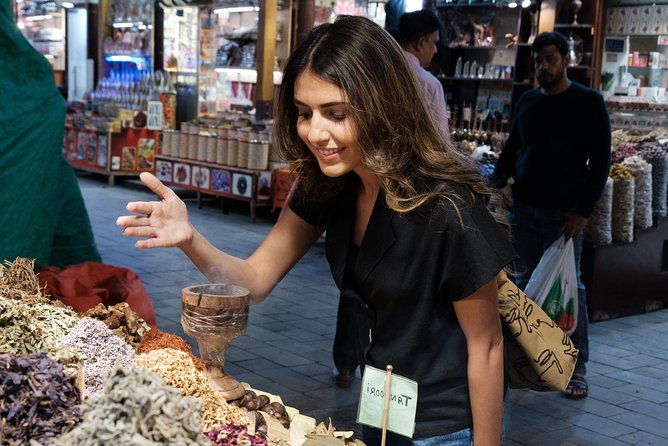
The Spice Souk is a compact, aromatic stop filled with shops selling spices, saffron, chocolate-covered dates, and other food items. You first hear about the origins and uses of the spices, then have time to look around.
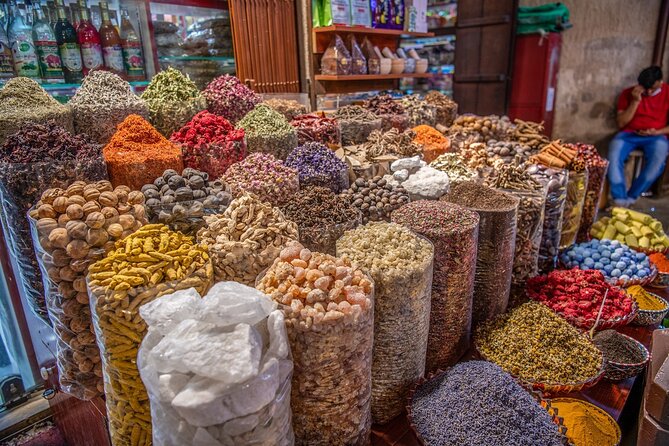
This is where a guide earns the fee. Souks can be fun, but they can also feel confusing when every shop offers similar goods and sales talk begins quickly. Nada can explain what you are seeing and offer bargaining advice. The phrase ktir ghalee, meaning too expensive, is suggested as an opening line.
You should treat this as a shopping opportunity, not a required buying session. The tour gives you a starting point, but you remain free to browse. Prices and products can vary, so use the walk to compare rather than rushing into the first offer.
The 30-minute timing is enough for an introduction and some browsing, though serious shoppers may want to return later. If you dislike sales pitches, stay close to the guide and view the stop as a lesson in local market life.
Gold Souk: a quick look at Dubai’s showpiece market
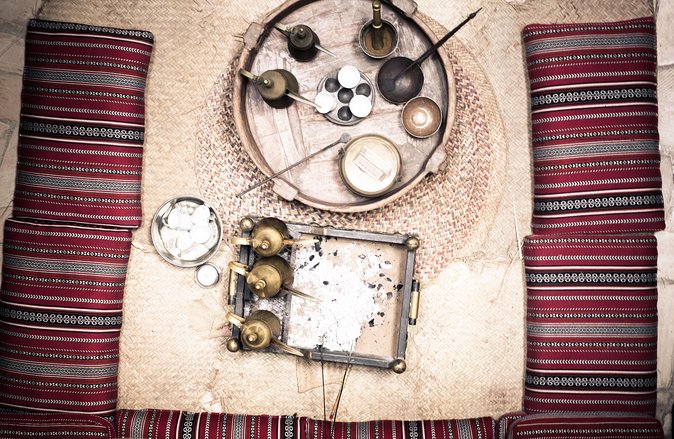
From spices, the route moves to the Gold Souk, Dubai’s oldest market. Covered walkways lead past more than 300 shops, with displays designed to attract the eye from every direction.
You do not need to buy gold to enjoy this stop. The point is to see how the market works and to hear about the cultural importance of gold, especially during festive occasions. The contrast with the Spice Souk is sharp: the spice market appeals to smell and taste, while the Gold Souk is all shine, display, and value.
The planned visit lasts about 20 minutes. That is a sensible amount of time for a guided look, but it will feel brief if you want to inspect jewelry closely or compare prices. Keep expectations realistic. This is an introduction to the market, not a private shopping appointment.
A few more Dubai trips worth comparing
- Dubai: Burj Khalifa Levels 124 & 125 Entry Ticket + Options
★ 4.3 · 90,891 reviews - Dubai: Desert Safari, Quad Bike, Camel Ride & Al Khayma Camp
★ 4.9 · 68,962 reviews - Dubai: Desert Safari, Quad Bike, Camel Ride and Sandboarding
★ 4.9 · 43,505 reviews - Dubai: Safari, Quad Bike, Camel Ride, and Buffet Dinner
★ 4.9 · 33,424 reviews
Textile Souk and the language of dress
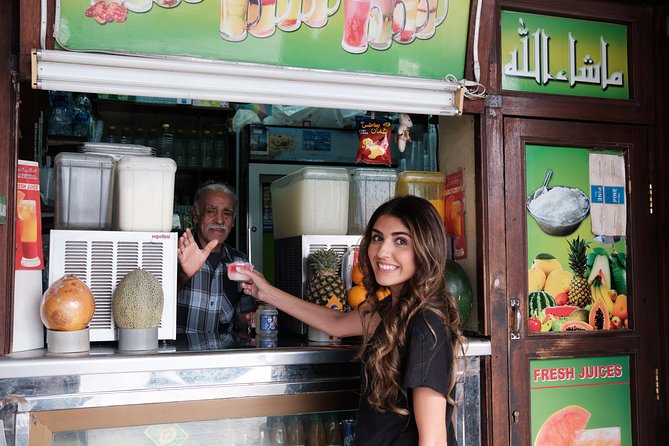
The Textile Souk brings a softer visual change. Its shops carry fabrics, scarves, traditional clothing, and familiar Dubai souvenirs, including T-shirts.
Here the guide explains national dress for men and women and demonstrates how garments are worn. That detail gives the market a cultural purpose. Clothing is not just something to purchase; it also communicates customs, identity, and occasion.
You get about 20 minutes here. The stop suits visitors who want a small souvenir or a better understanding of local dress. As with the other markets, you should feel no pressure to buy. The strongest reason to visit is the explanation, not the merchandise alone.
Crossing Dubai Creek by abra
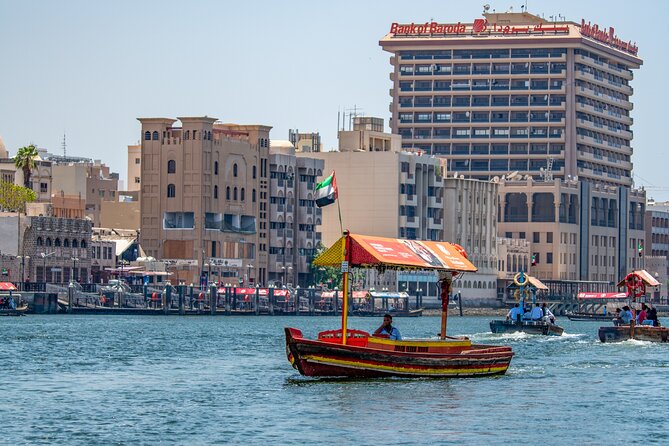
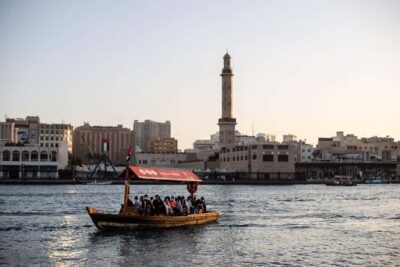
The abra ride lasts around 15 minutes and links the old markets with Bur Dubai. These wooden boats are one of the most recognizable scenes in Old Dubai, and the water offers a welcome change after walking through covered market lanes.
Look back toward Deira’s high-rises as the boat moves across the creek. From the water, the city’s older trading quarters and newer towers occupy the same view. That simple crossing feels like a small time machine, moving from the commercial heart of Deira toward the historic neighborhoods on the Bur Dubai side.
The boat is part of the tour rather than an optional extra, and the admission is included. You should still bring water, especially in hot months. The crossing is short, but it is one of the tour’s most memorable moments because it turns the creek from a line on a map into a lived part of the city.
Grand Bur Dubai Masjid and a look at faith
The route includes an introduction outside or at the Grand Bur Dubai Masjid, originally built in 1900 and devoted to the study of the Quran. You learn about core Islamic beliefs and the mosque’s architecture.
This is a welcome pause from the market activity. The tour does not treat religion as a decoration for sightseeing. Instead, it offers a basic explanation of Islam and the role of the mosque. That makes the stop useful for visitors who want cultural context but may not know where to begin.
Appropriate garments for mosque entry are provided at no charge. Wear respectful clothing and follow the guide’s instructions. The visit is scheduled for about 35 minutes, so there is time for explanation rather than a rushed glance.
The route also passes the closed Dubai Museum. You can photograph the fort from outside and hear about its former role as the monarch’s premises and a defensive structure. Since the museum is closed, do not expect an indoor museum visit. The fort is valuable here as an exterior landmark and a prompt for discussing Dubai’s earlier years.
Al Fahidi’s wind towers and quiet lanes
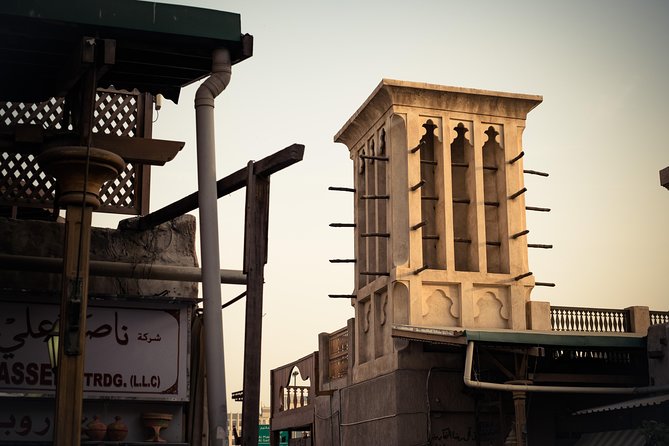
Al Fahidi Historical Neighbourhood is the tour’s most atmospheric section. Restored homes line narrow lanes, and the sand-colored walls are topped by wind towers.
Those towers were built to help cool the houses, a practical response to the climate long before modern air-conditioning. Your guide explains how merchants lived in the neighborhood and why these structures matter to the preservation of Emirati customs and traditions.
The 45-minute walk gives you time to look up, not just forward. Notice the changes in light, the enclosed courtyards, and the way the lanes create shade. This is a quieter experience than Deira’s markets, though you are still walking on uneven urban surfaces and standing during explanations.
I like that Al Fahidi arrives after the abra crossing and mosque visit. By then, you have seen trade, transport, religion, and dress. The neighborhood ties those subjects together through domestic architecture and daily life.
Lunch at Al Fahidi: the social part of the tour
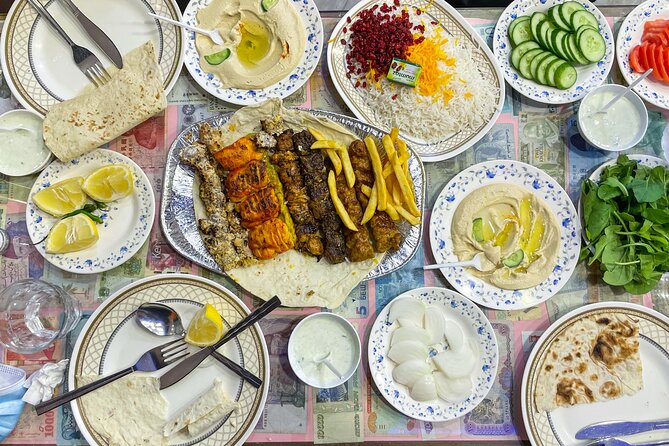
The final major stop is a traditional restaurant in Al Fahidi. Lunch is pre-ordered and served on shared platters, with several Arabian dishes selected so you can sample different flavors and spices.
A shared meal is a good fit for this route. You can compare dishes, ask questions, and talk with the guide and other members of the group. Several strong accounts of the tour praise the meal, with one describing it as the best food of a Dubai visit. That is personal judgment, of course, but it points to the lunch as a real part of the experience rather than a token snack.
The meal is non-vegetarian unless you request the vegetarian option when booking. You should also state any dietary needs at that time because the food is arranged in advance. Soda is not included, while bottled water is provided at the restaurant.
Lunch takes about an hour. It gives your feet a break and slows the pace at the right moment. The tour ends in Bur Dubai, near the Al Fahidi Historical Neighbourhood and close to Sharaf DG Metro Station.
What the four-hour format feels like
The tour covers a lot in a short time: several markets, a boat ride, a mosque, a fort exterior, historic lanes, and lunch. You will not have unlimited time at any single stop, especially if you are determined to shop.
That pace is useful if you have only a few days in Dubai. You get a guided overview without spending a full day away from other plans. It is less suitable if you want long, unhurried market visits or extended photography sessions.
A group of no more than 12 people is a practical middle ground. It is small enough for questions and personal conversation, but not necessarily private. The strong praise for Nada focuses on her friendly manner, careful attention, and ability to connect the city’s past with visitors’ own backgrounds.
The tour requires moderate physical fitness. You should be comfortable walking longer distances at an easy pace, standing for periods, and dealing with heat. Bring water, sunglasses, a hat, sunscreen, light fabric clothing, and comfortable shoes. Morning departures are likely the wiser choice in hot weather, though the experience offers morning or afternoon departure options.
Who will get the most from this experience
I would recommend this tour to a first-time Dubai visitor who has already seen, or plans to see, the modern center but wants the city’s older story. It also suits repeat visitors. One highly enthusiastic account came from someone on a third Dubai trip who gained a stronger understanding of local culture and people through this walk.
It is a good choice for couples, families with children accompanied by an adult, and small groups who prefer conversation over a large coach. The guide’s advice may also help you plan the rest of your stay, since Nada has been praised for suggesting other places to visit.
I would think twice if you cannot walk comfortably in heat, dislike shared meals, or want a tour centered on luxury shopping. This experience is about streets, markets, history, customs, and food. Its rewards come from paying attention.
Should you book the Old Dubai tour?
Book it if Dubai’s famous skyline has left you curious about what came before. The combination of Deira’s markets, the abra crossing, Al Fahidi’s wind towers, mosque architecture, and a shared Arabian lunch gives you a solid four-hour introduction to the city’s older side.
At $118.62, the tour is worth considering as a guided cultural outing rather than a simple walk. Lunch, admission fees, bottled water at the restaurant, and the small group help support the price. The strongest reason to choose it is the guide, especially if Nada leads your departure. Her warmth and clear storytelling receive repeated praise.
Choose the morning if you want a cooler start, confirm dietary needs in advance, and wear shoes made for walking. Cancel at least 24 hours before the start time if your plans change, since later cancellations are not refunded. Poor weather or failure to reach the minimum of two people can also lead to a new date or full refund.
FAQ
How long does the Old Dubai tour last?
The experience lasts approximately four hours. The schedule includes market visits, the abra crossing, historic neighborhoods, a mosque introduction, and a one-hour lunch.
Where does the tour start?
The stated starting location is the Al Shindagha Museum drop-off point A152 in Al Fahidi, Dubai. The tour description also refers to meeting in Deira, so confirm the exact meeting instructions at booking.
Where does the tour end?
The tour ends in the Al Fahidi Historical Neighbourhood in Bur Dubai, near Sharaf DG Metro Station.
Is lunch included?
Yes. A traditional Arabian meal is included, along with bottled water at the restaurant. The meal is served on shared platters and is non-vegetarian unless you request a vegetarian option.
Can I choose a morning or afternoon departure?
Yes. The experience offers a choice of morning or afternoon departure. The stated start time for the listed departure is 9:00 a.m.
How large is the tour group?
The group is limited to a maximum of 12 people. At least two people are required for the tour to operate.
What should I bring and wear?
Bring bottled water, sunglasses, a hat, sunscreen, and comfortable shoes. Light fabric clothing is recommended, especially in summer. The tour involves moderate walking and periods of standing, and garments for mosque entry are provided at the mosque.
Just added around Dubai
- Affordable Yacht Rental Viktoriia from Dubai Marina★ 5.0 · 8 reviews
- Walking tour of Historical Dubai with french guide★ 4.7 · 11 reviews
- Walking Tour in Old Dubai Explor Heritage & Traditional Souq★ 4.0 · 9 reviews
- walking tour in old dubai, souks, abra boat, old town★ 5.0 · 89 reviews
- Dubai Falconry Safari★ 4.9 · 171 reviews
- 2-Hrs Private Romantic Sunset Cruise with Sushi and Drinks★ 4.9 · 52 reviews
- Private Sunrise Quad Bike in Dubai-Al Ain Road★ 5.0 · 15 reviews
- Top premium Desert safari with BBQ DINNER★ 5.0 · 27 reviews
Old Dubai and the Souks, compared.
Old Town, Creek, Museums, Souks, & Street Food Tour
Read our review →
Old Town, Souks, Street Food, Guided Tour & Abra Ride
Read our review →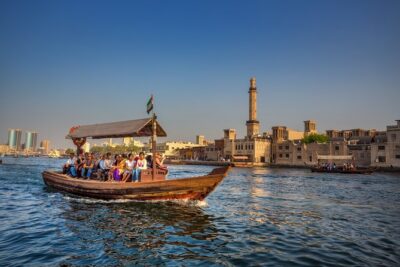
Frame Tickets, Creek, Souks & Blue Mosque Guided Tour
Read our review →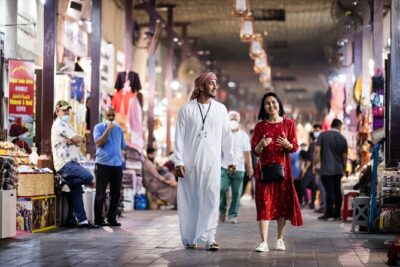
Dubai Aladdin Tour: Souks, Creek, Old Dubai and Tastings
Read our review →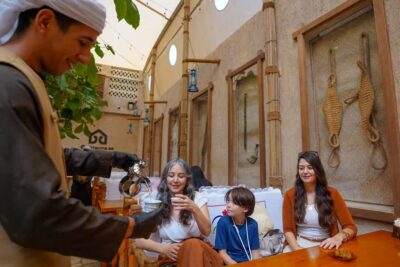
Half-Day City Tour with Blue Mosque, Creek, and Souks
Read our review →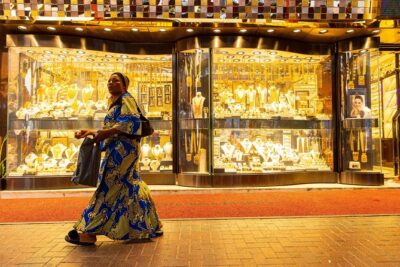
Dubai Half-Day City Tour with Visit to Dubai Gold Souk
Read our review →Old Town, Souks, Street Food, Guided Tour & Abra Ride
Read our review →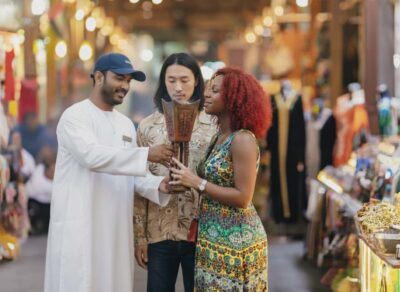
Old Town, Street Food, Creek, Souks, & Emirati House
Read our review →Also listed under