
Reviewed · MUSEUMS
Dubai: Al Shindagha Museum Entry Ticket
Dubai’s oldest stories are waiting by the creek. Al Shindagha Museum turns the city’s past into an engaging visit, using heritage houses, interactive displays, virtual reality, and personal stories to explain how Dubai grew from a creekside community into the modern UAE. At $13 per person, it offers a useful cultural break from malls, towers, and grand hotel interiors.
I especially like the chance to visit Sheikh Saeed Al Maktoum Residence, the former home of Dubai’s ruling family, and the wide range of themed houses covering food, faith, trade, crafts, the sea, and family life. I also like that the museum uses modern technology rather than asking you to stare at rows of old objects. The main consideration is time: this is a large museum district, not a quick 30-minute stop.
The museum is described as containing 21 houses in one part of its information and 22 unique exhibit houses elsewhere. Either way, you should expect a substantial visit. Peter is the named guide singled out for especially warm praise, and guided tours are available in English, Arabic, Chinese, Russian, and French.
In This Review
- Key Points Before You Visit
- Why Al Shindagha Matters to Dubai
- Starting at the Visitor Center
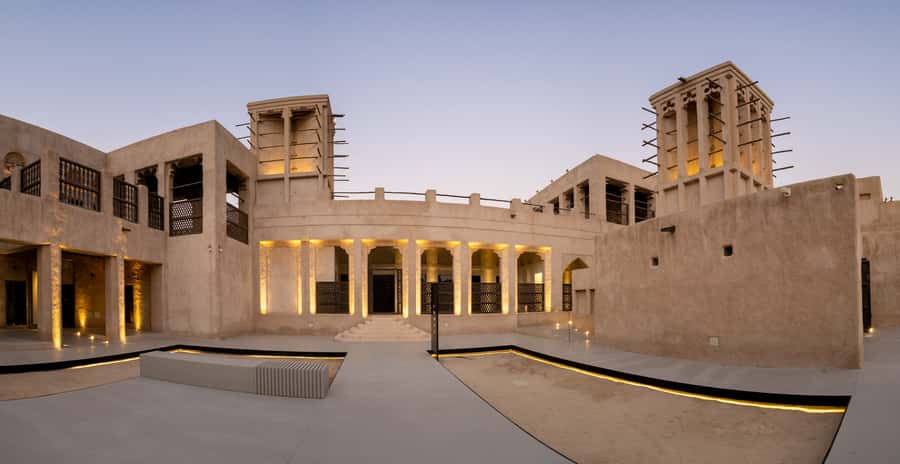
- Sheikh Saeed Al Maktoum Residence
- Dubai Creek: Birth of a City
- Trade, Journeys, and Navigation
- The Sea, Land, Water, Fauna, and Flora
- Perfume, Jewelry, Crafts, and Adornment
- Food, Healthcare, Faith, and Community
- Poetry, Expressions, and the Children’s Pavilion
- Emerging City and Dubai’s Modern Identity
- How Much Time Should You Allow?
- Price, Flexibility, and Practical Value
- Who Will Enjoy This Museum Most?
- Should You Book Al Shindagha Museum?
- FAQ
- Where is Al Shindagha Museum located?
- How much does admission cost?
- How long is the ticket valid?
- What does the ticket include?
- How many heritage houses are part of the museum?
- Is Sheikh Saeed Al Maktoum Residence included?
- Which languages are available for guided tours?
- Is the museum wheelchair accessible?
Key Points Before You Visit
- Dubai Creek setting: The museum sits in Al Shindagha, one of Dubai’s most important historic neighborhoods, beside the waterway that helped shape the city.
- More than one building: The experience spreads across a group of heritage houses, including Sheikh Saeed Al Maktoum Residence and the Visitor Center.
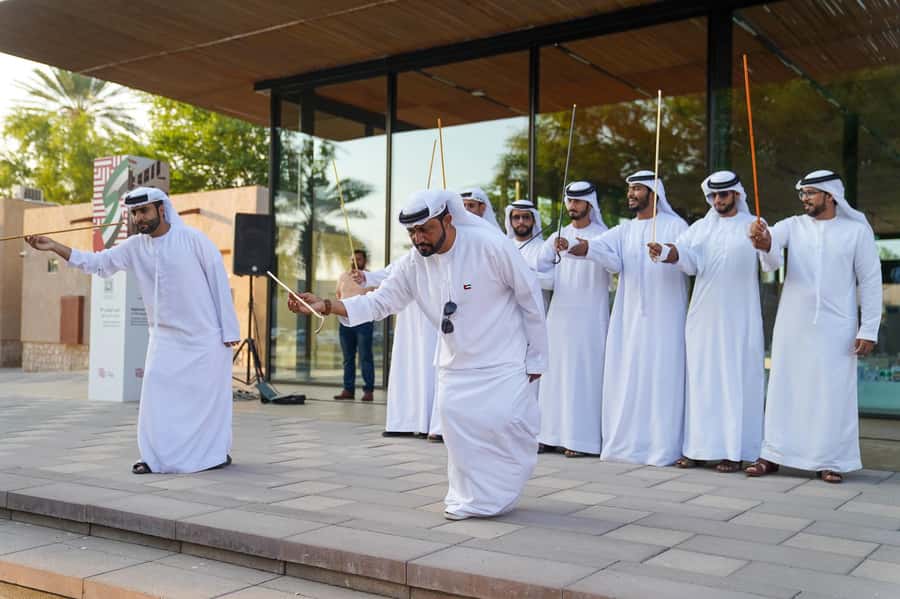
- Modern presentation: Interactive installations, virtual reality, workshops, tours, and training bring the displays to life.
- Wide subject range: You can move from perfume and jewelry to navigation, traditional healthcare, food, poetry, faith, and marine culture.
- Multilingual support: Live guides are available in English, Arabic, Chinese, Russian, and French.
- Good value for culture seekers: A one-day ticket costs $13, which is modest for a museum district of this size.
Why Al Shindagha Matters to Dubai
Dubai can sometimes feel as if it appeared fully formed from glass and steel. Al Shindagha corrects that impression. The district sits along Dubai Creek, the waterway tied to trade, fishing, travel, and settlement. The museum uses this setting to show that modern Dubai grew from practical skills, family networks, sea routes, and hard work.
That context gives the visit more meaning than a simple collection of old buildings. You are not only looking at traditional objects. You are following the forces that shaped daily life and later helped the emirate expand.
The museum’s central idea is human progress. It presents ingenuity, resilience, prosperity, and growth as parts of one continuing story. That makes the visit useful for first-time visitors who want to understand the UAE beyond its famous skyline.
I would not treat this as a dusty history stop. The museum was designed to connect the past with present-day Emirati identity. Its displays use sound, images, technology, and hands-on elements to help you see how older customs still influence the country today.
A few more Dubai trips worth comparing
- Dubai: Burj Khalifa Levels 124 & 125 Entry Ticket + Options
★ 4.3 · 90,891 reviews - Dubai: Burj Khalifa Sky Level 148, 124, & 125 Entry Ticket
★ 4.6 · 23,827 reviews - Dubai: The View At The Palm Observatory Entry Ticket
★ 4.6 · 22,529 reviews
Starting at the Visitor Center
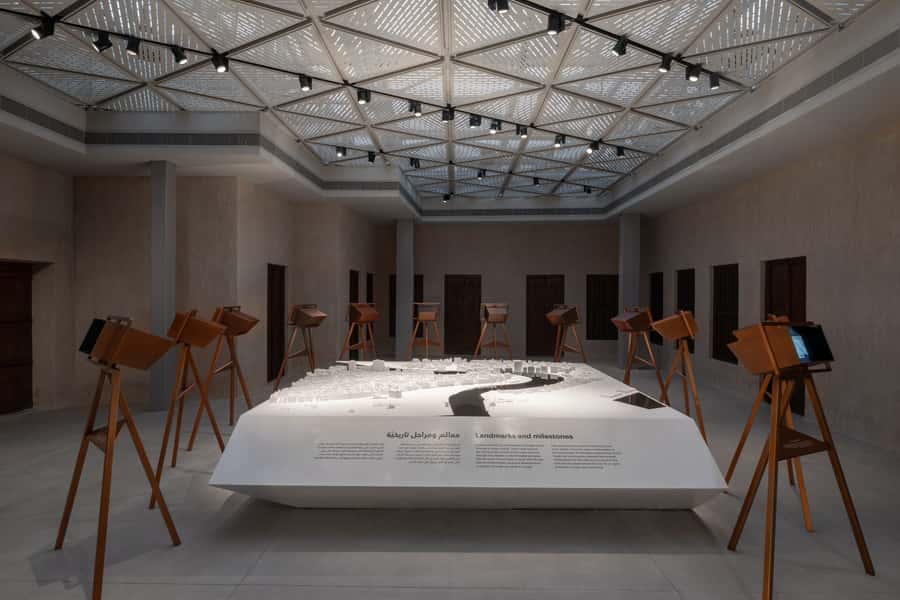
The Visitor Center is the natural place to get your bearings. It introduces the museum and helps you understand how the various houses fit together. Since the site includes many themes and buildings, this first orientation matters.
You may find it helpful to think of the museum as a series of connected chapters rather than one long gallery. Some houses focus on broad subjects, such as the growth of Dubai. Others narrow the focus to one part of life, such as perfume, navigation, traditional food, or adornment.
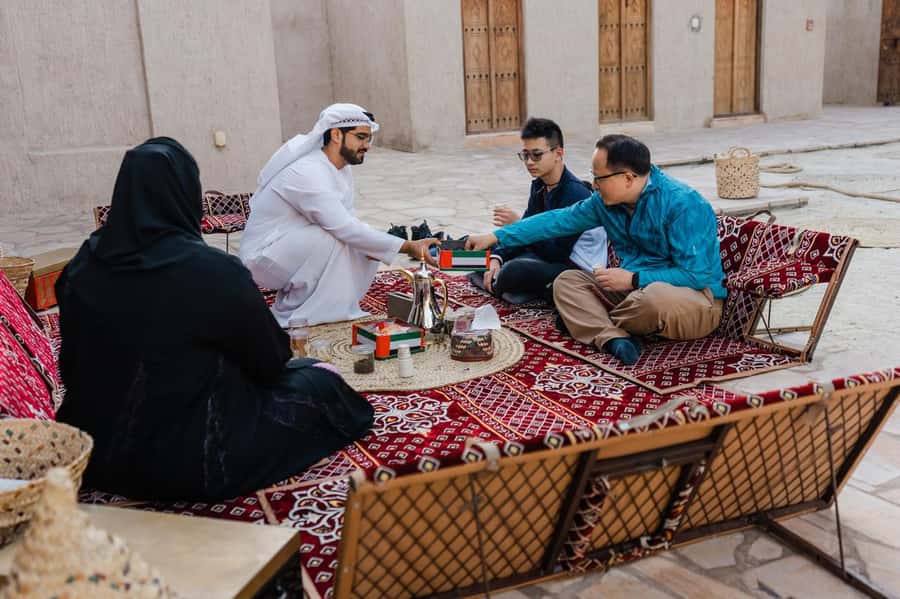
The museum uses multi-sensory installations throughout the site. That can make the material easier to grasp, especially if you are visiting with children or with someone who does not usually enjoy formal museums. The trade-off is that the experience may feel less quiet and contemplative than a traditional collection of paintings or artifacts.
If you prefer to read every panel carefully, plan plenty of time. A quick walk through the main buildings will show you the scale of the place, but it will not give you the full story.
Sheikh Saeed Al Maktoum Residence
The former residence of Sheikh Saeed Al Maktoum is likely to be one of the main reasons you choose this museum. It was home to the Al Maktoum family and to Sheikh Saeed Al Maktoum, Dubai’s monarch at the time, until 1958. He was also the grandfather of Sheikh Mohammed bin Rashid.
This house gives the museum a direct connection to Dubai’s ruling family and the city’s political development. It is not simply a reconstructed traditional home with general background information. It was the residence of a significant figure in Dubai’s modern story.
I like this part of the visit because it gives the larger museum a human center. After seeing themes such as trade, sea travel, and crafts, you can connect them to the family that guided Dubai during a period of major change.
The residence also helps explain why Al Shindagha was chosen for this institution. The district is not an arbitrary museum location. The buildings and neighborhood are part of the story being told.
Dubai Creek: Birth of a City
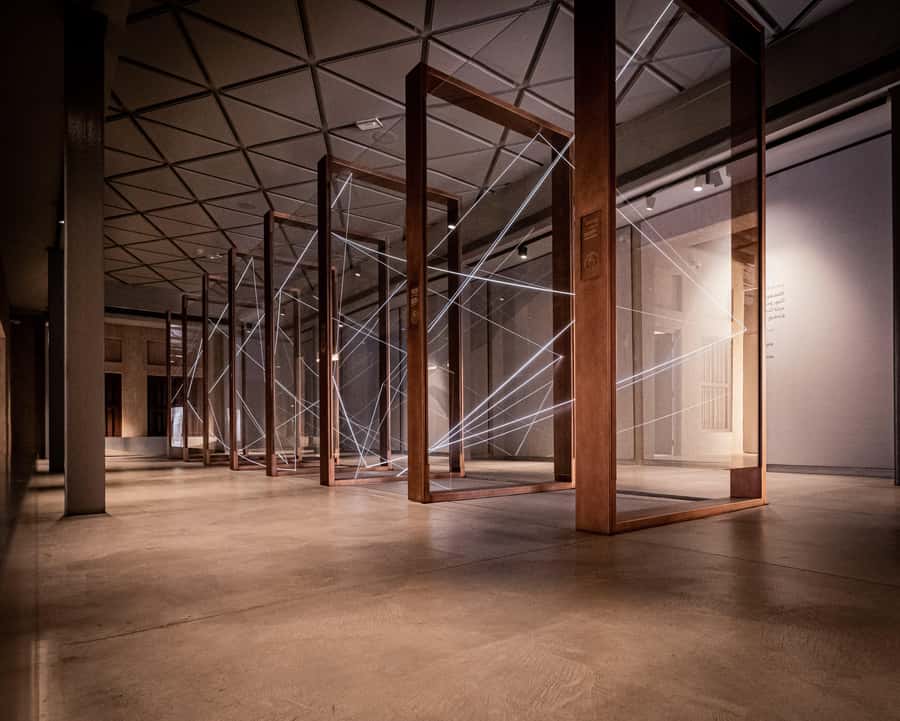
The Dubai Creek section focuses on the waterway’s role in the city’s formation. This is one of the most important themes in the museum because the creek links several other exhibits together.
Trade and journeys depended on water. Navigation required skill. The sea supported food, work, and travel. A city built around these activities developed different habits and priorities from a city founded around highways and towers.
The exhibit houses titled Dubai Creek: Birth of a City, Trade and Journeys, and Navigation work best as connected subjects. I would pay close attention to the relationship between them. Together, they show how movement of people and goods helped Dubai grow.
This section should appeal to visitors who want a clear explanation of Dubai’s early development. It also gives children a practical way into history. Maps, journeys, tools, and movement are often easier to understand than a long chronological display.
More Museums in Dubai:
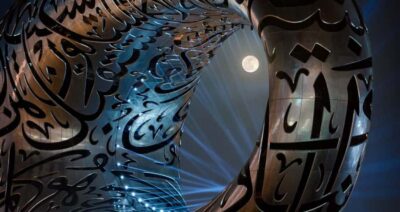
- Dubai: Museum of the Future Admission Ticket
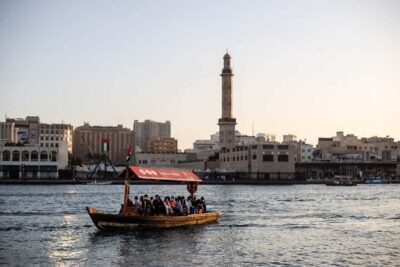
★ 4.3 · 21,464 reviews - Dubai: Old Town, Creek, Museums, Souks, & Street Food Tour
★ 4.8 · 10,816 reviews - From Dubai: Abu Dhabi Grand Mosque & Louvre Museum Full-Day
★ 4.8 · 6,227 reviews - Museum of the Future Tickets
★ 3.5 · 792 reviews
Trade, Journeys, and Navigation
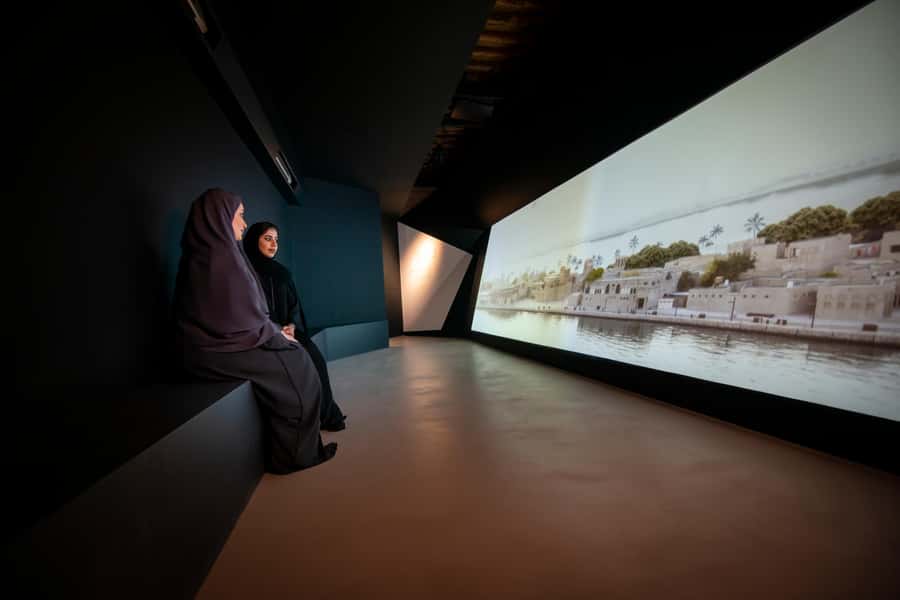
Trade was not an abstract idea for earlier communities. It meant routes, cargo, weather, boats, negotiation, and long periods away from home. The museum’s trade and navigation themes help you picture the practical side of that life.
The Navigation house adds another layer. Travel across water requires an understanding of direction, timing, and natural conditions. Even without inventing details about the individual displays, the subject itself gives you a clearer sense of the skills needed before modern navigation systems.
These houses are valuable because they explain progress from the ground up. Dubai’s later prosperity did not come from one sudden event. It grew from existing commercial links and from people who knew how to work with the sea and with distant markets.
You might find these displays especially useful if you are visiting Dubai with limited background knowledge of the UAE. They provide an accessible starting point without assuming that you already know the region’s history.
The Sea, Land, Water, Fauna, and Flora
The museum also examines life on land and the natural world around it. Houses covering Life on Land and Water, Fauna and Flora add balance to the story of commerce and urban growth.
These themes remind you that communities depend on their surroundings. Water is part of the story, but so are plants, animals, food sources, and the skills needed to live in a demanding environment.
Culture of the Sea brings the maritime theme back into focus. It connects the natural environment with work and identity. You are encouraged to see the sea not just as a backdrop, but as a source of food, travel, and livelihood.
This may be one area where the museum’s broad scope works particularly well. Instead of treating culture as clothing and architecture alone, it shows how people adapt to the places where they live.
Perfume, Jewelry, Crafts, and Adornment
Several houses focus on personal style and skilled work. Perfume House, Traditional Jewelry, Traditional Crafts, and Beauty and Adornment offer a more intimate look at Emirati culture.
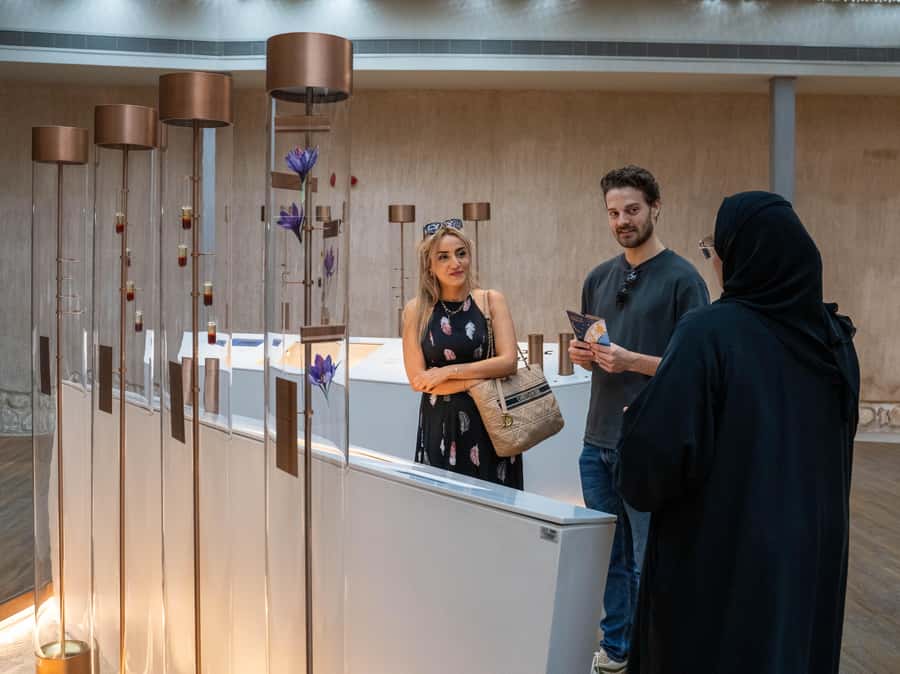
Perfume is especially interesting because scent can carry strong links to family, ceremony, hospitality, and personal identity. The museum’s decision to give it a dedicated house suggests that this subject receives more attention than it would in a general history museum.
Traditional Jewelry and Beauty and Adornment shift the focus to appearance and social meaning. Objects worn on the body can tell you about taste, status, custom, and important occasions. These displays may be among the most visually appealing parts of the visit.
Traditional Crafts adds the practical side. Handmade work reflects patience, skill, and materials available in the local setting. The museum also offers bespoke workshops and training, although the ticket information does not specify which workshops are included with admission. Do not assume every workshop is part of the basic entry ticket.
Food, Healthcare, Faith, and Community
The houses devoted to Traditional Food, Traditional Healthcare, People and Faith, and Community Hall bring the visit into everyday life. These subjects help prevent the museum from becoming focused only on rulers, trade, and major events.
Food is an easy way to understand a culture because it connects the household with the environment and with social customs. The information lists Traditional Food twice, which may reflect separate displays or a repeated title in the published description. Either way, food is clearly an important part of the museum’s program.
Traditional Healthcare shows how communities cared for themselves before modern medical systems. The exhibit can help you appreciate the practical knowledge held by earlier generations without treating older methods as replacements for present-day medicine.
People and Faith gives attention to belief and community life. Community Hall broadens the picture again, showing that culture is not only found in private homes or historical objects. It is also shaped by shared spaces and social relationships.
Poetry, Expressions, and the Children’s Pavilion
Expressions and Poetry add a less physical side to the museum. Culture is carried through words, performance, and ideas as much as through buildings and objects.
Poetry can reveal values, emotions, landscapes, relationships, and memories in a way that a factual timeline cannot. If you prefer museums that include creative expression, these houses should make the visit feel more personal.
The Children’s Pavilion gives younger visitors a place designed around their needs. The available information does not list the exact activities inside, so I would avoid promising a particular game or workshop. Still, its presence makes the museum more suitable for families than a site made entirely of formal historic rooms.
The museum’s virtual reality and interactive technology should also help younger visitors stay involved. The overall presentation is described as modern and highly interactive, which is one of its strongest features.
Emerging City and Dubai’s Modern Identity
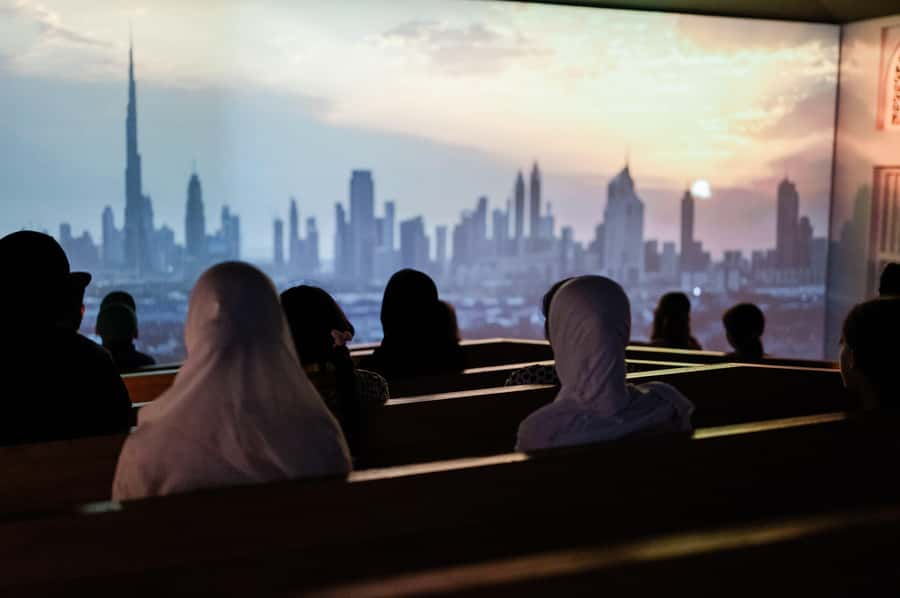
Emerging City brings the story forward. After you have looked at traditional work, family life, the sea, and trade, this section addresses the growth that turned Dubai into the city you see today.
The value here is the connection between old and new. Dubai’s modern identity did not erase its earlier culture. The museum presents the contemporary UAE as something shaped by earlier knowledge, family traditions, work, and movement.
That approach makes Al Shindagha more useful than a simple heritage village. You are not asked to view the past as frozen. Instead, you see it as part of an ongoing story.
This is also where the museum’s use of technology makes the most sense. Virtual reality and other interactive tools help bridge the distance between historical subjects and present-day visitors. The display style may not suit someone seeking a purely quiet, object-based museum, but it gives the story energy and accessibility.
How Much Time Should You Allow?
The ticket is valid for one day, and that is important. The museum covers a large group of houses, so you should not plan it as a brief stop between other Dubai attractions.
The exact time you need will depend on how carefully you read, how much time you spend with interactive installations, and whether you join a guided tour. The information does not give a fixed visit length, but the number of houses makes a longer visit sensible.
I would set aside a generous part of your day rather than trying to rush through every building. You can move quickly through familiar subjects and slow down for the houses that interest you most.
A guided visit may help you make sense of the full program. Live guide languages include English, Arabic, Chinese, Russian, and French. Peter is the guide name associated with especially positive feedback, though guide availability can vary.
Price, Flexibility, and Practical Value
At $13 per person, the admission is reasonably priced for the amount of material on offer. You are paying for access to a museum district rather than one small gallery, and the ticket is valid for one day.
The value is strongest if you care about context. Dubai offers many spectacular attractions, but they can leave you with little understanding of how the emirate developed. Al Shindagha fills that gap at a relatively modest cost.
The ticket includes entry. Workshops, special training, or other activities may have separate arrangements because they are listed as part of the museum’s wider program, not specifically as ticket inclusions.
You can cancel up to 24 hours in advance for a full refund, and a reserve now, pay later option is available. That helps if your Dubai plans depend on weather, family schedules, or changing sightseeing priorities.
The museum is wheelchair accessible, which is another practical advantage for visitors who need step-free access. The available information does not describe every route or facility, so you may still want to confirm specific access needs before arrival.
Who Will Enjoy This Museum Most?
I would recommend Al Shindagha Museum to first-time visitors who want to understand Dubai beyond its modern architecture. It is also a strong choice for families, since the Children’s Pavilion and interactive displays offer more variety than a standard historic house.
History-minded visitors will appreciate the connection between the Al Maktoum family, Dubai Creek, trade, and the emerging city. People interested in design, clothing, perfume, food, poetry, and traditional crafts will find focused subjects rather than one general exhibit.
The museum may be less satisfying if you want a short, tightly organized attraction. The many houses are its strength, but they also require patience. Visitors who prefer only major landmarks may find the range of topics broader than expected.
I also think it suits repeat visitors to Dubai. Once you have seen the Burj Khalifa and the large shopping centers, this museum gives you a different view of the emirate. It explains what came before the skyline.
Should You Book Al Shindagha Museum?
Book it if you want a thoughtful cultural stop, especially if you are curious about Dubai Creek, the Al Maktoum family, traditional life, or the forces behind the UAE’s growth. The $13 price is fair, the one-day validity gives you room to explore, and the interactive presentation keeps the subject approachable.
You should plan for a substantial visit rather than a quick photo opportunity. The museum’s strongest feature is its range, from perfume and jewelry to navigation, healthcare, faith, food, poetry, and the modern city.
For a fuller experience, choose a language-supported guided visit when available. If your schedule allows only a short stop, focus first on Sheikh Saeed Al Maktoum Residence, Dubai Creek: Birth of a City, Trade and Journeys, and Emerging City. Those sections give you the clearest outline of Dubai’s past and present.
FAQ
Where is Al Shindagha Museum located?
Al Shindagha Museum is located in the Al Shindagha historic neighborhood on the banks of Dubai Creek in Dubai, United Arab Emirates.
How much does admission cost?
The listed price is $13 per person.
How long is the ticket valid?
The ticket is valid for one day. You should check availability for the available starting times.
What does the ticket include?
The ticket includes entry to Al Shindagha Museum.
How many heritage houses are part of the museum?
The museum information describes 21 houses in one section and 22 unique exhibit houses in another. The site includes the Visitor Center and Sheikh Saeed Al Maktoum Residence along with many themed houses.
Is Sheikh Saeed Al Maktoum Residence included?
Yes. The residence is part of Al Shindagha Museum and was formerly home to the Al Maktoum family and Sheikh Saeed Al Maktoum until 1958.
Which languages are available for guided tours?
Live guided tours are available in English, Arabic, Chinese, Russian, and French.
Is the museum wheelchair accessible?
Yes, the activity is listed as wheelchair accessible.
Just added around Dubai
- Abu Dhabi and Ferrari World Tour★ 3.5 · 9 reviews
- FLYBOARD 30mn session @ POPEYE JETSKI★ 5.0 · 80 reviews
- Premium Desert safari With Dune buggy camel ride BBQ dinner★ 5.0 · 36 reviews
- Night City Tour of Dubai★ 4.5 · 14 reviews
- Full Day Hatta Mountain Tour from Dubai★ 5.0 · 23 reviews
- Sky Views Dubai with Options★ 4.5 · 17 reviews
- Dunes Safari Sandboarding and Photography in Desert★ 5.0 · 47 reviews
- Dubai Sunrise / Morning private safari tour★ 5.0 · 18 reviews
Museums, compared.
Old Town, Creek, Museums, Souks, & Street Food Tour
Read our review →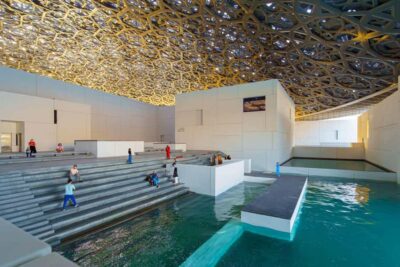
Abu Dhabi Grand Mosque & Louvre Museum Full-Day
Read our review →


Abu Dhabi Day Tour with Grand Mosque & Louvre Museum
Read our review →
Future Museum, Burj Al Arab, and Dubai Frame Tour
Read our review →
Also listed under